Floor Sweepers & Scrubbers: Best Practices for Safe, Clean Warehouse Operations
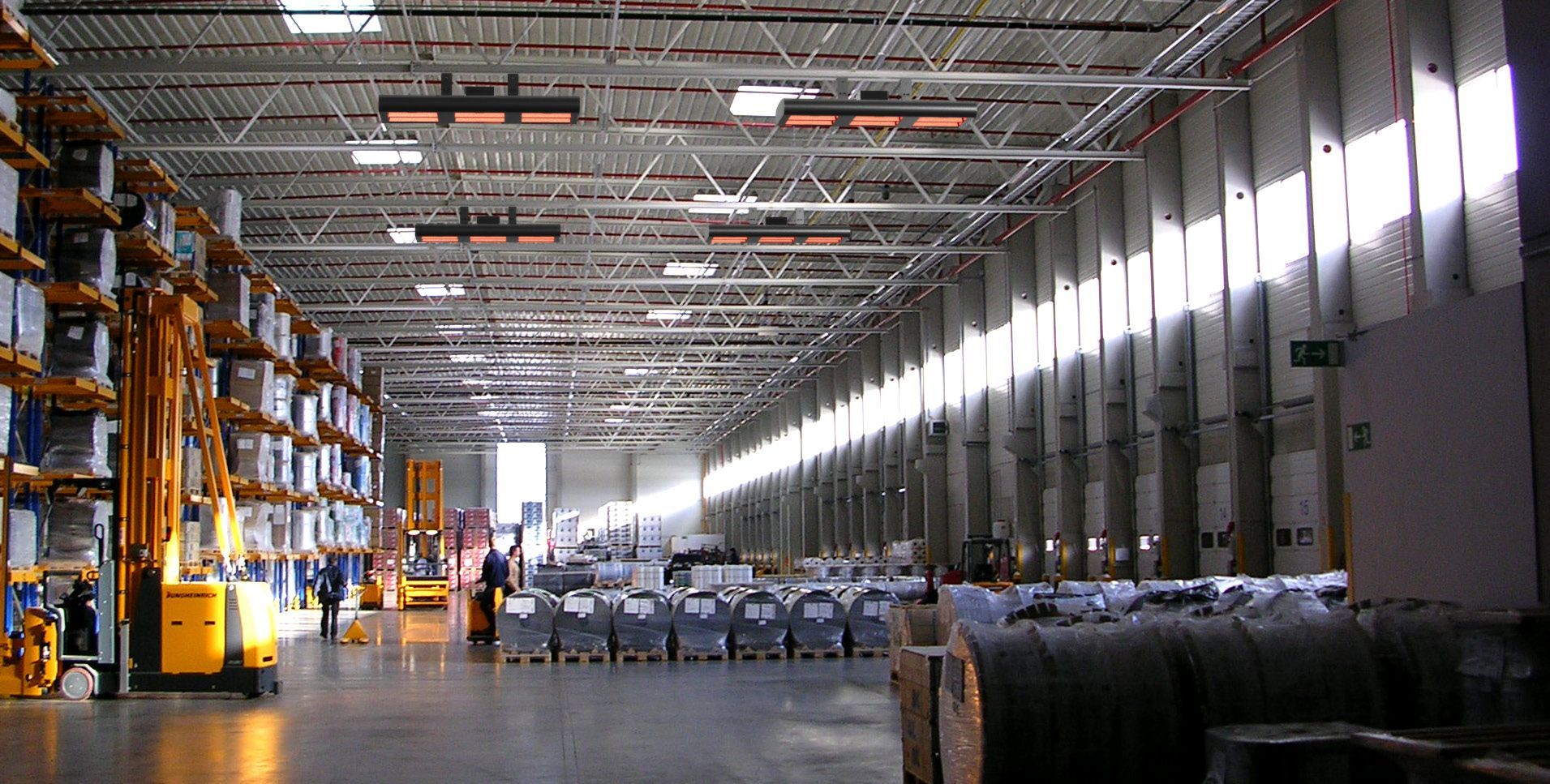
A clean warehouse is a critical component of safety, efficiency, and equipment longevity. With constant foot traffic, forklift movement, debris from packaging, and day-to-day operations, warehouse floors endure a significant amount of wear and tear.
Dust, dirt, and spills can quickly accumulate, posing safety risks and causing costly damage to equipment if not properly managed.
That's where industrial sweepers and scrubbers come in. These machines play a crucial role in ensuring the smooth operation of commercial and industrial facilities.
Whether you're managing a distribution center, manufacturing facility, or a busy warehouse, understanding how to operate and maintain this equipment is essential.
Below, we outline the best practices for using floor sweepers and scrubbers safely and effectively, ensuring your facility remains clean, compliant, and productive.
Why Clean Floors Matter in Warehouse Operations
Clean floors are the first line of defense against workplace accidents. Loose debris, dust piles, spilled materials, and slick surfaces are leading contributors to slips, trips, and falls.
OSHA standards emphasize the importance of maintaining a clean work environment, and many industries require consistent floor maintenance to remain compliant.
Beyond safety, clean floors help protect your investment. Dirt and debris can damage forklifts, pallet jacks, and other equipment, while buildup on floors can create friction issues or prematurely wear down surface coatings.
A well-maintained floor contributes to smoother operations and a longer lifespan for both your equipment and your warehouse surfaces.
Sweepers vs. Scrubbers: What's the Difference?
While both machines help maintain warehouse cleanliness, they serve distinct purposes.
- Floor Sweepers pick up loose dirt, dust, wood chips, packaging scraps, metal fasteners, and other debris. They're ideal for daily or frequent cleaning.
- Floor Scrubbers deep-clean surfaces using water and cleaning solution to remove stains, grime, oils, and residue. They're typically used after sweeping or in areas with high spill potential.
Many facilities use both to achieve consistent cleanliness. Sweepers keep daily debris under control, and scrubbers maintain a polished, safe, and sanitary surface.
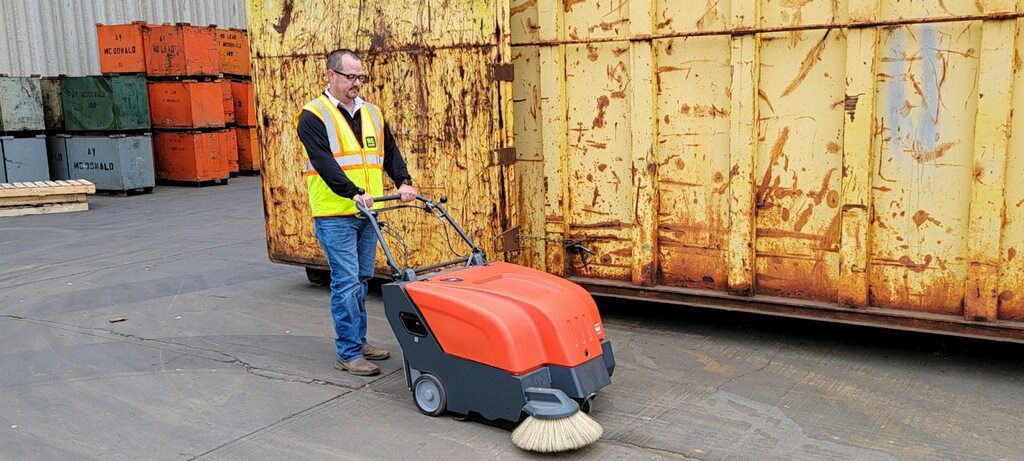
Best Practices for Operating Sweepers Safely
Conduct Pre-Use Inspections
Before each use, operators should inspect the sweeper for worn brushes, clogged filters, loose or damaged components, and ensure the proper battery or propane levels are maintained.
Catching minor issues early prevents bigger breakdowns during peak business hours.
Follow Proper Sweeping Routes
Consistent patterns ensure no areas are missed. High-traffic zones, such as shipping lanes and loading docks, should be swept first. Operators should avoid sweeping too close to fragile inventory or flammable materials unless specifically trained.
Use Correct Speeds and Brush Pressure
Moving too quickly or applying incorrect brush pressure can compromise cleaning quality and prematurely wear out components. A steady pace produces the best results.
Best Practices for Operating Scrubbers Safely
Use the Right Cleaning Solution
Using an incorrect or overly harsh solution can damage floor finishes or create slippery surfaces. Facilities should always follow the manufacturer's recommendations and consider low-chemical or eco-friendly options when possible.
Maintain Proper Water and Squeegee Function
Clean water tanks keep dirt from recirculating, and functional squeegees ensure proper water pickup. If you see streaks or puddles, it’s likely time to replace the squeegee blades.
Avoid Over-Saturating Floors
Too much water can create slip hazards or prolong drying time. In busy facilities, limit traffic in recently scrubbed areas until floors are fully dry.
Routine Maintenance for Sweepers and Scrubbers
Keeping equipment in good condition is just as important as using it correctly. Routine maintenance should include steps for inspection, maintenance, and repairs.
- Inspect and replace brushes regularly
- Clean or replace filters (especially in dusty environments)
- Maintain battery health through proper charging and watering
- Check hoses, belts, and tanks for leaks or wear
- Lubricate moving parts as needed
- Replace worn squeegee blades to maintain adequate water pickup
Well-maintained machines last longer, clean better, and reduce the risk of unexpected downtime.
How Often Should You Sweep or Scrub Your Warehouse?
There's no one-size-fits-all schedule. The cleaning frequency depends on the industry, facility size, foot traffic, equipment usage, and the type of materials being handled. However, as a general guideline, there are tried-and-true timelines to follow.
- Sweeping: Daily or multiple times per week in active facilities
- Scrubbing: Weekly or bi-weekly
- High-spill or food-related industries: May require daily scrubbing
Regular light cleaning is more effective than occasional deep cleaning.
Choosing the Right Equipment for Your Facility
The ideal sweeper or scrubber depends on several facility factors, as well as the type of material you're moving and personal equipment preferences.
- Square footage and layout
- Aisle width
- Floor type and material
- Type and amount of debris
- Need for rider vs. walk-behind machines
- Power preference: battery, propane, or diesel
Many facilities don't need to purchase every machine they use; renting or leasing is a practical option during seasonal peaks, big cleanups, or deep-cleaning months.
Training Your Team for Safe, Efficient Operation
Even the best equipment won't perform well without proper operator training. Ensure new users receive education on:
- Machine controls and safety features
- Pre-check inspections
- Cleaning routes and best practices
- Safe chemical handling
- Proper shutdown and storage
Documenting procedures helps maintain consistency and reduces the risk of misuse or damage.
Work With Benco Industrial Equipment
Floor sweepers and scrubbers are essential tools for maintaining a safe, clean, and efficient warehouse environment. With proper use and regular maintenance, they help prevent accidents, protect equipment, and streamline daily operations.
At Benco Industrial Equipment, we're here to help you find the exact solutions you need to keep your operation moving forward: whether that means
sweepers and scrubbers,
forklifts,
pallet jacks, order pickers, or a custom mix of equipment for your space and workload.
Contact us today to learn more!