Optimizing The First 90 Days in Your New Warehouse
Setting up a new warehouse is an exciting milestone, but it's also one of the most complex operational undertakings a company can face.
Whether you're expanding into additional space, relocating, or launching operations for the first time, the first 90 days determine how quickly your facility becomes safe, efficient, and fully productive.
A warehouse isn't "ready" just because it has four walls and a roof. It becomes operational when the right equipment is installed, the right workflows are established, and the right service partnerships are in place. That journey doesn't happen all at once; it occurs in stages.
Below is a clear, structured playbook to help warehouse managers move from day one to day 90 with confidence.
Days 1–30: Building a Foundation
The first month is all about establishing the core infrastructure that will support every future activity. During this phase, speed matters, but getting it right matters even more.
Validate Structural & Safety Readiness
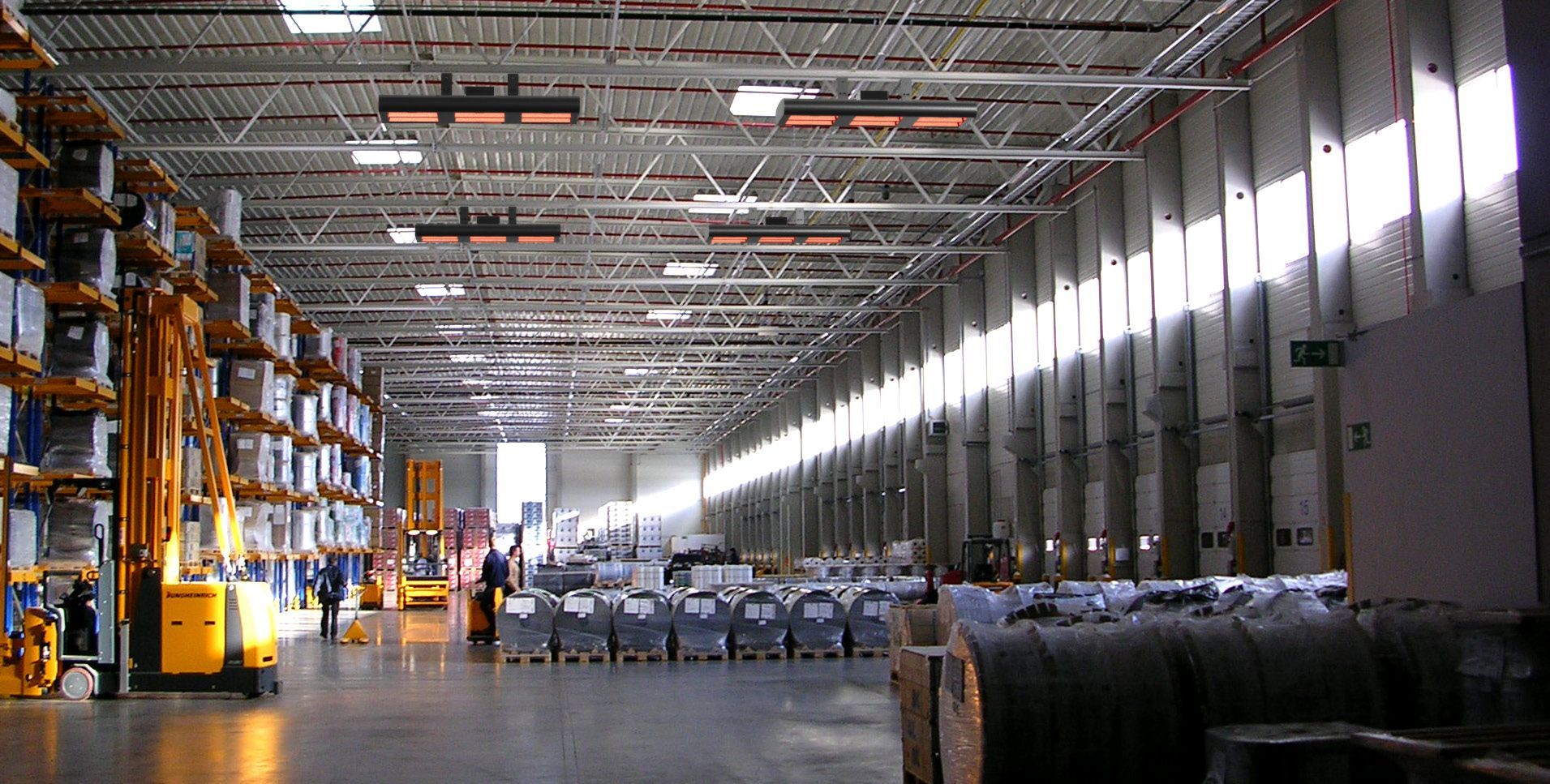
Before any shelving goes up or forklifts hit the floor, you need to ensure that the building itself is up to code and optimized for performance and safety.
- Inspect dock doors, entry points, and floor conditions.
- Verify electrical capacity for equipment charging and high‑demand machinery.
- Confirm ventilation in areas intended for battery charging, sweepers, or fuel-powered equipment.
This ensures all future installations happen on a safe and stable foundation.
Prioritize Docks & Doors
Your loading docks will become the facility's heartbeat. Getting them ready early prevents bottlenecks later.
- Install or service dock levelers, seals, and shelters.
- Check all door tracks, sensors, and safety interlocks.
- Evaluate traffic flow for inbound and outbound routes.
Reliable docks minimize delays from day one and protect both employees and inventory.
Finalize Racking Layout & Installation
Once the flow of goods is mapped, racking becomes the next crucial component to concentrate on.
- Choose rack types based on SKU size, weights, and pick frequency.
- Maximize vertical space while maintaining forklift maneuverability.
- Ensure proper anchoring and load‑rating labels.
Installing racks earlier means you can stage inventory efficiently as it arrives.
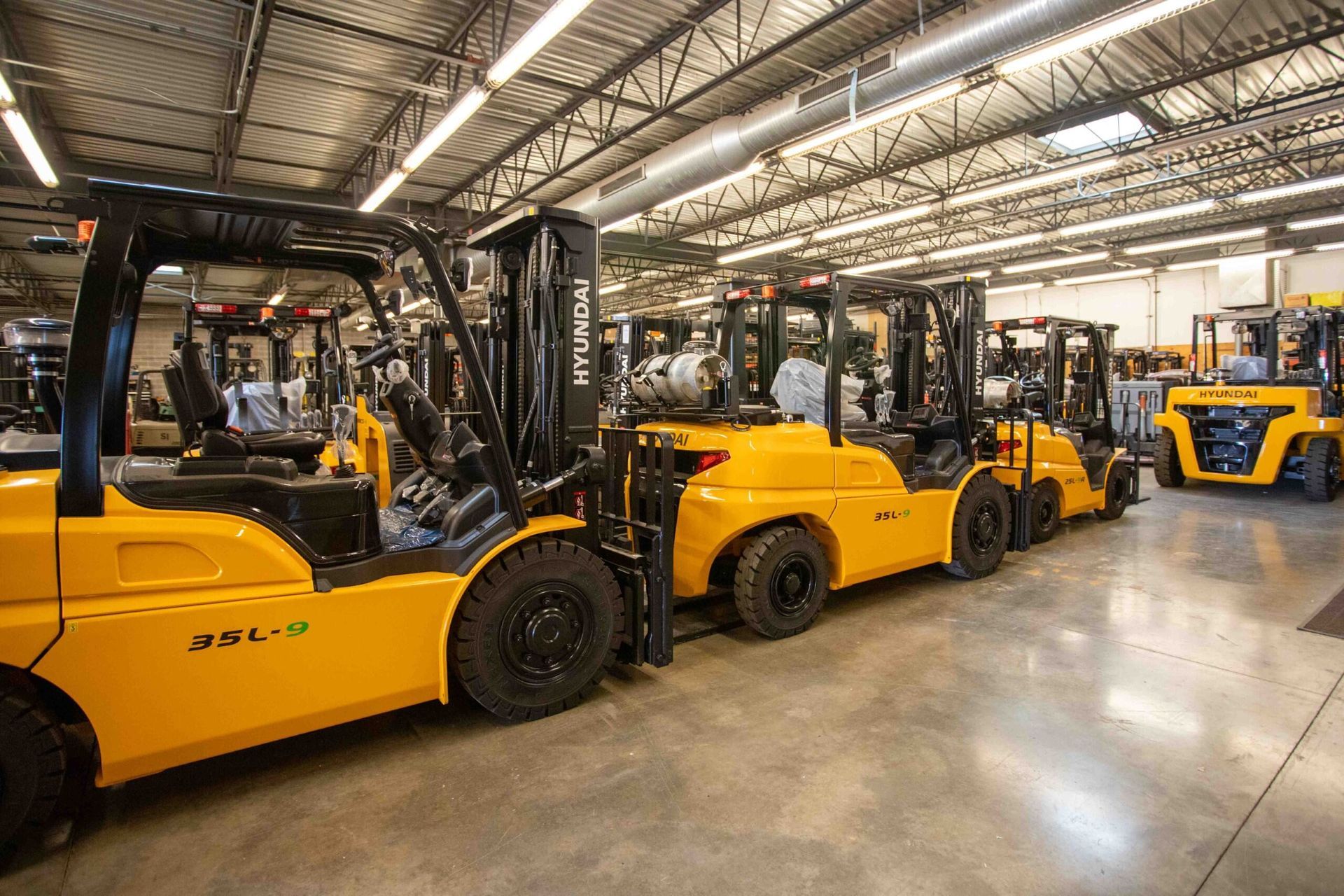
Secure Your Core Fleet
Now that racking is in place, your equipment needs to be ready before your inventory arrives.
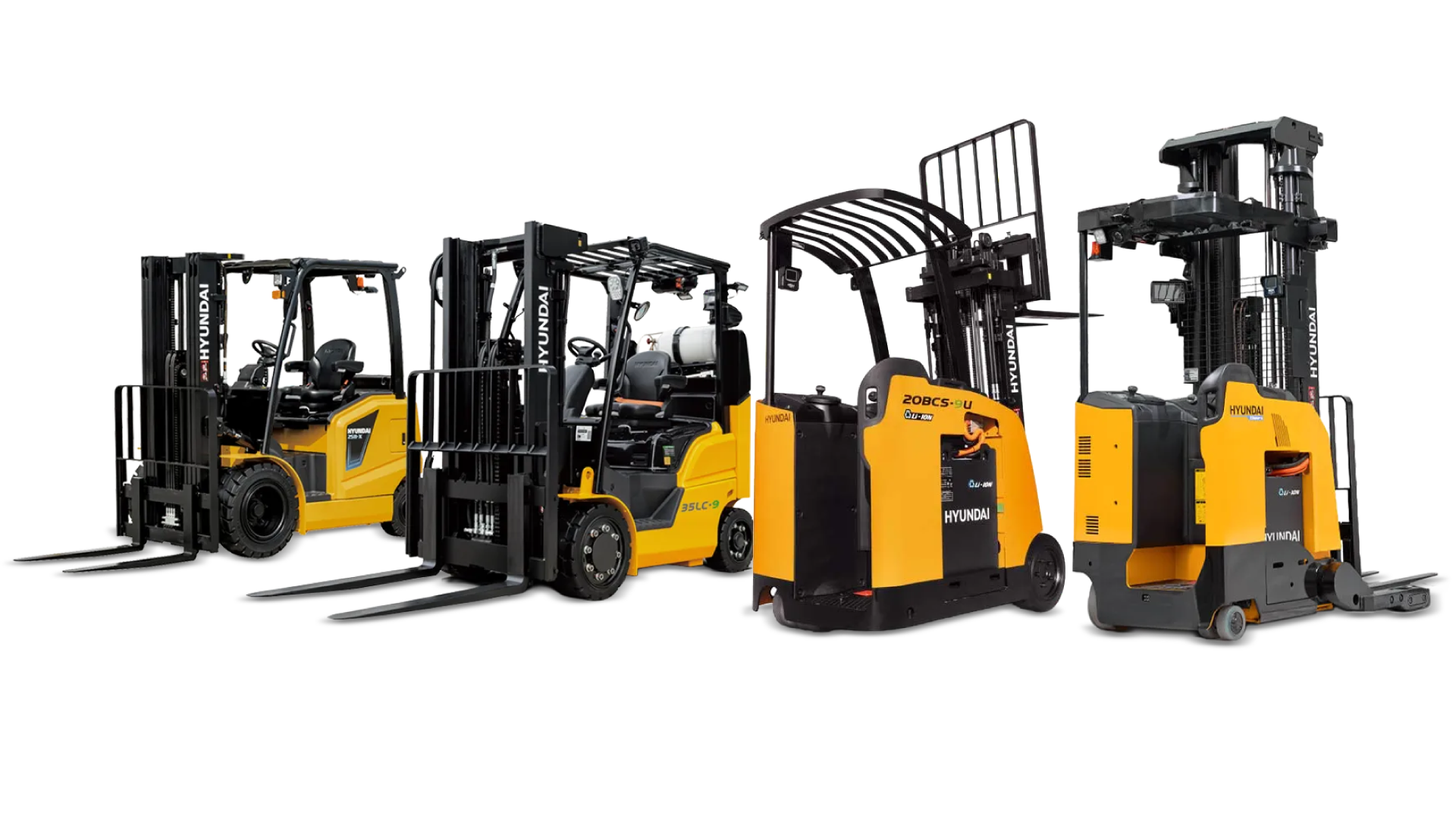
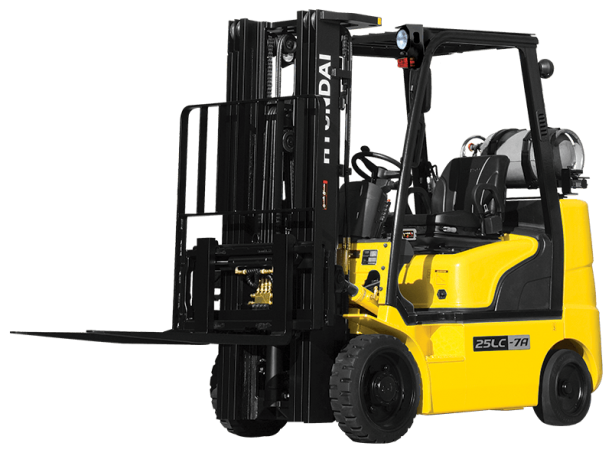
- Select forklifts based on aisle width, daily run‑time, lift height, and attachment needs.
- Decide between rental, lease, or purchase based on business predictability.
- Have trained operators and charging/fueling plans in place.
Forklifts are the engine that gets your warehouse moving, so starting without them isn’t an option.
Days 31–60: Optimize for Workflow & Efficiency
With the foundation in place, the second month focuses on installing the systems and equipment that improve productivity and safety.
Add Floor Sweepers & Scrubbers to Maintain Productivity
A new warehouse gets dirty fast: construction dust, pallet debris, tire marks, and packaging waste add up.
- Introduce automated or walk‑behind sweepers and scrubbers to keep floors safe and clean.
- Establish a daily or weekly cleaning schedule to reduce slip hazards and extend equipment life.
Good housekeeping is about uptime (and appearance).
Install HVLS Fans for Climate & Comfort
High‑volume, low‑speed (HVLS) fans dramatically improve air movement in large spaces.
- They reduce temperature stratification.
- They improve employee comfort in both summer and winter.
- They have lower energy consumption for HVAC systems.
Climate control strongly influences productivity and retention, especially in high‑heat months.
Implement Traffic Flow & Safety Signage
Once equipment and people start moving, safety becomes priority #1:
- Mark pedestrian walkways, forklift aisles, and staging zones.
- Install mirrors at blind corners and add guard rails where needed.
- Set standardized speed limits and horn‑use zones.
Clear visibility and predictable traffic patterns prevent accidents from the start.
Establish Preventive Maintenance Schedules
To avoid early breakdowns, focus on maintaining the equipment you have; this will save you time, money, and headaches down the road and help your new warehouse get off to the right foot.
- Set PM intervals for forklifts, sweepers, docks, and doors.
- Schedule service contracts with qualified technicians.
- Keep spare parts on hand for high‑wear components.
Proactive service avoids costly downtime later in the year.

Days 61–90: Scale, Streamline, and Stabilize
By the third month, the warehouse should be functional. Now it’s time to refine workflows for long‑term performance.
Analyze Early Operational Data
Start reviewing your performance report and KPIs (Key Performance Indicators) from the first two months, and compare them to industry standards, pre-operational goals, or past data from other warehouses.
- Equipment utilization rates
- Inventory movement patterns
- Battery or fuel consumption
- Maintenance logs
- Bottlenecks in pick paths or staging areas
This data provides the first look at what's working and what needs adjustment.
Right‑Size Your Forklift Fleet
With real usage data available, your next step should be to start optimizing your starting fleet in order to fill potential gaps, and create a more cohesive fleet schedule.
- Add units where demand exceeds capacity.
- Reassign or rotate machines to balance hours.
- Introduce attachments to improve efficiency for specific SKU groups.
Fine‑tuning the fleet ensures smoother operations and prevents operator excess or shortages.
Refine Racking & Storage Strategy
Now that product turnover is visible, you can start to concentrate on the storage units and equipment itself.
- Adjust rack heights or configurations.
- Add safety bars, wire decking, or pallet supports as needed.
- Reorganize SKUs to reduce travel time and increase pick rates.
This is the stage where layout shifts can produce major productivity gains.
Train, Retrain, and Certify Staff
A warehouse becomes stable when the crew knows what to do in each situation, which is achieved through clear operational protocols and continuous training.
- Every operator is trained and certified.
- New hires receive consistent onboarding.
- Supervisors establish standardized work procedures.
A well‑trained team turns equipment and infrastructure into true performance advantages.
Call Benco Industrial Equipment
A new warehouse doesn't reach peak performance overnight. The first 90 days are a structured journey, starting with foundational installations, progressing to workflow optimization, and culminating in data‑driven refinement.
By intentionally sequencing your setup, you minimize downtime, reduce risk, and create an operation built for long‑term success.
At Benco Industrial Equipment, our team provides personalized guidance to help you find forklifts and material-handling solutions that meet your specific needs. From traditional models to the latest autonomous systems, we can help you integrate technology that enhances your workflow.
Contact us today to explore our full range of industrial equipment and services and take the first step toward modernizing and optimizing your warehouse operations.