OmniPro by MATRIX Forklift Collision Avoidance | Benco
Forklift safety has always depended heavily on the person behind the wheel. Operators receive training, facilities establish traffic rules, and companies implement procedures to protect employees. But even an experienced operator can miss something.
Today's warehouses also present more distractions. Cell phones and other technology can pull attention away from the task at hand, while blind corners and busy work areas make it difficult to see every potential hazard.
Denis Benden, president of Benco Industrial Equipment, has seen the consequences firsthand. In one recent example, he knew of seven incidents in which people ran equipment into poles during the year. He also pointed to a collision repair bill totaling approximately $28,000.
That raises an important question for warehouse managers: What can you do to help prevent the accident instead of paying for it afterward?
OmniPro by MATRIX gives businesses another tool for doing exactly that. The AI-powered collision-avoidance and pedestrian-detection system monitors areas around material-handling equipment, identifies potential hazards, and alerts operators before a collision occurs.
What Is OmniPro by MATRIX?
Think about the backup camera and warning system in a modern vehicle. OmniPro by MATRIX brings a more advanced version of that idea to forklifts and other mobile industrial equipment.
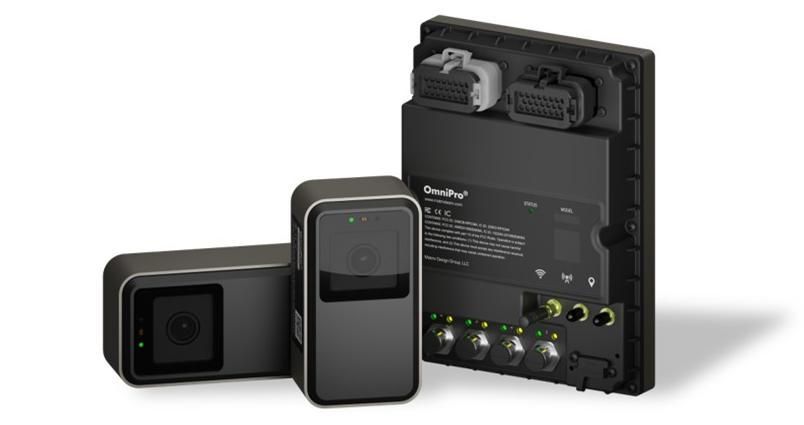
Edge AI cameras monitor the area surrounding the equipment and detect people, vehicles, and other potential hazards. When the system recognizes a risk, it can provide audible and visual warnings so the operator has time to react. Optional integration with the equipment's drive system can also provide additional functionality, including throttle integration.
As Denis explained, the goal is straightforward: to help the operator recognize when something or someone is in the forklift's path before contact occurs.
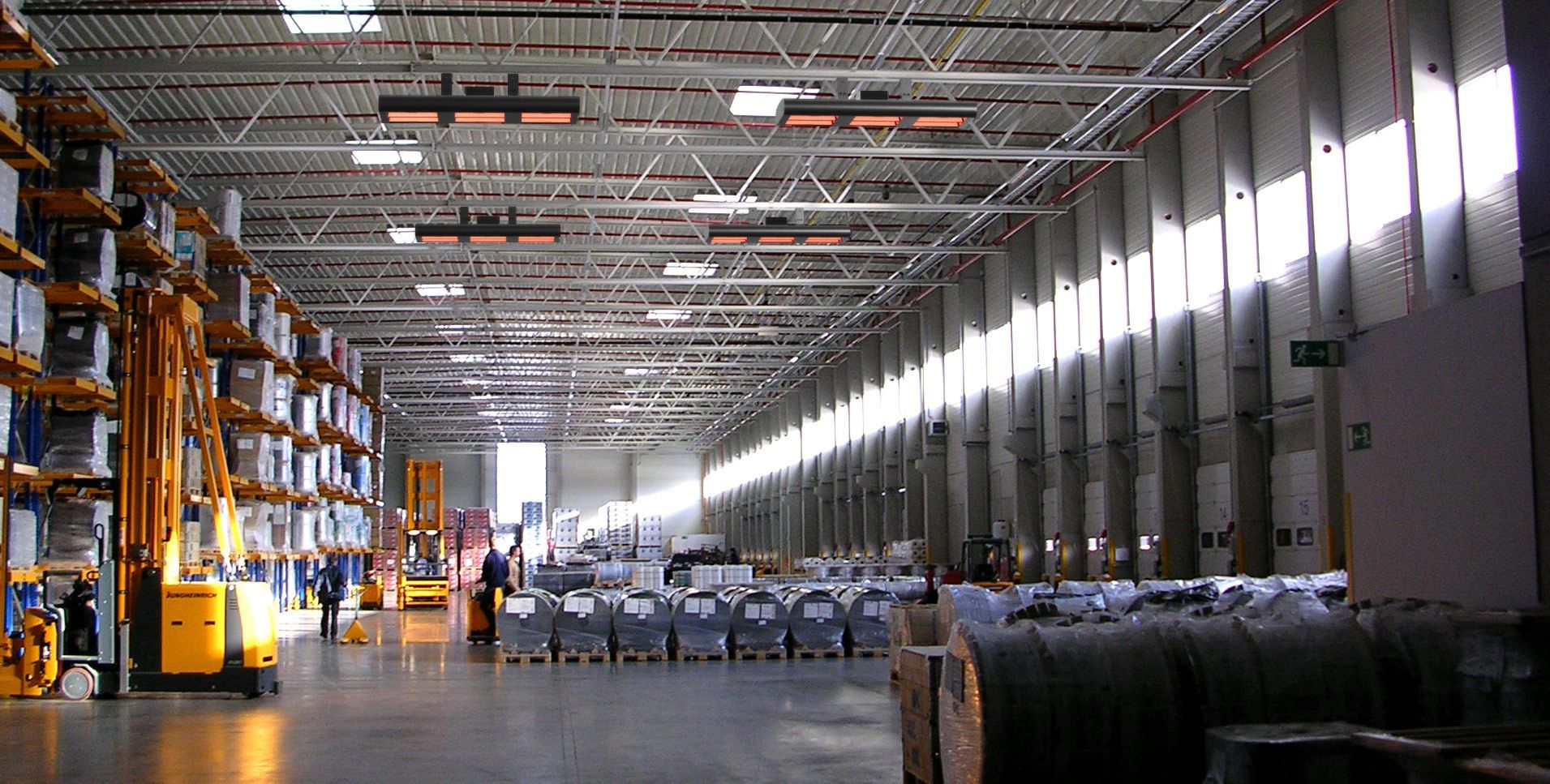
This becomes particularly valuable around blind spots, intersections, tight corners, and other areas where an operator may have limited visibility. MATRIX specifically designed the technology for fast-moving industrial environments where people and equipment frequently
work in close proximity.
Why Forklift Collisions Still Happen
Not every forklift incident results from a company's lack of safety rules.
Operators can become distracted. People can step into travel paths unexpectedly. A forklift can approach a blind corner without the operator realizing someone is on the other side. Repetitive work can also make people more comfortable with their environment, which may gradually reduce their awareness of risks.
Denis sees blind spots and lack of attention as two particularly important concerns.
Traditional safety practices remain essential, but they cannot guarantee that an operator will see every hazard every time. Older forklifts may also lack the safety technology found on newer equipment.
That is where collision-avoidance technology can provide an additional layer of protection.
Tag-Free Pedestrian Detection Makes a Difference
One of the most important aspects of OmniPro by Matrix is what employees do not have to do.
They do not need to wear special detection tags.
Denis sees that as a significant advantage in a real warehouse. With tag-based systems, protection depends on the employee having the necessary device and the system successfully detecting it. A camera-based system does not require the employee to wear a tag.
OmniPro by MATRIX uses AI-powered cameras to identify people, vehicles, and obstacles around the equipment. The manufacturer says its AI object-recognition technology is designed to identify genuine hazards while reducing unnecessary alerts.
For warehouses with many employees, visitors, contractors, forklifts, and other equipment moving through the same space, removing the tag requirement can make the system easier to incorporate into everyday operations.
AI Helps Determine When a Hazard Matters
A busy warehouse contains constant movement. A collision-warning system that sounds an alarm every time something moves nearby could quickly become more distracting than useful.
That is why object recognition is an important part of OmniPro by MATRIX.
According to the manufacturer, its edge-based AI technology differentiates between people, vehicles, and other objects while helping minimize false or nuisance alerts. Each camera can monitor up to five customizable detection zones, and a hub can support up to four cameras.
This allows the system to provide coverage based on the needs of the equipment and operation rather than treating everything within the camera's field of view as the same level of risk.
You Can Add OmniPro to an Existing Forklift
You do not necessarily need to replace your forklift fleet to take advantage of newer safety technology.
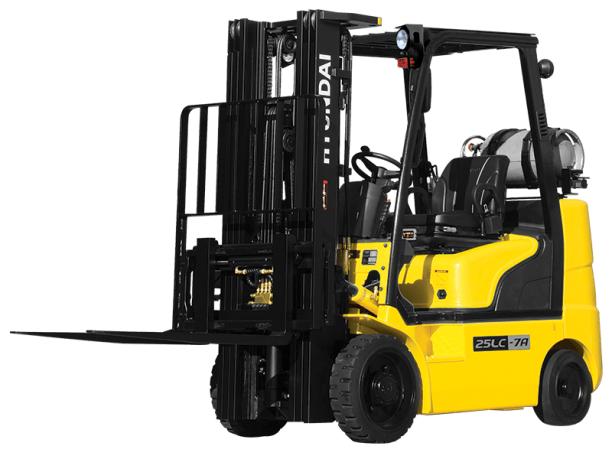
Denis explained that OmniPro by MATRIX can be retrofitted to existing forklifts, with the installation adapted to the particular equipment. The manufacturer also describes the system as offering integration with OEM equipment and optional integration with the OEM drive system.
According to Denis, a typical installation takes approximately three to four hours. The process includes mounting cameras, installing the necessary wiring, connecting the system, and configuring it so that the appropriate personnel can access its information.
That can make collision-avoidance technology an option for companies that have reliable forklifts they plan to continue operating rather than limiting the technology to companies purchasing new equipment.
It Can Show You the Near Misses You Never Knew About
Preventing an immediate collision is only part of the value.
OmniPro Cloud provides 24/7 desktop access to system data, analytics, and reporting. The system can capture time-stamped images and provide information, such as zone breaches, by time or by device.
That gives managers an opportunity to identify patterns.
For example, if the system repeatedly detects close calls around the same intersection, you now have evidence of a potential problem even if nobody has actually been injured or damaged equipment.
You can ask questions such as:
- Does the intersection need better visibility?
- Should traffic patterns change?
- Do operators need additional training?
- Is a particular area generating an unusual number of near misses?
- Should you reconsider pedestrian and forklift travel paths?
Denis also raised an important point during our conversation: How many workplace accidents or near misses simply go unreported?
When a system records those events automatically, you gain information that can help you address risks before a more serious incident occurs.
Collision Avoidance Does Not Replace Forklift Training
Adding technology does not mean your operators can pay less attention.
Companies should view OmniPro by MATRIX as another layer of protection rather than a replacement for operator training, established traffic procedures, daily inspections, or a strong safety culture.
In fact, the information collected by the system can help strengthen your existing safety program. Managers can review events, identify recurring problems, and adjust training or procedures based on what is actually happening in the facility.
Technology works best when you combine it with attentive operators and clear safety expectations.
Which Facilities Could Benefit Most?
Denis sees particularly strong potential for facilities with many forklifts and people working in the same environment.
That could include:
- Warehouses
- Distribution centers
- Manufacturing plants
- Lumber yards
- Facilities with frequent forklift traffic
- Operations with blind corners or limited visibility
- Facilities where pedestrian and equipment paths regularly cross
Companies that have already experienced accidents or near misses have an obvious reason to evaluate additional safety measures. However, you do not necessarily need to wait for an accident before considering the technology.
Your existing safety history, facility layout, traffic patterns, equipment fleet, near misses, and current safety procedures can all help determine whether collision-avoidance technology makes sense for your operation.
What Does a Forklift Accident Really Cost?
When Denis talks with companies that have operated forklifts for years without collision-avoidance technology, he compares the decision to insurance.
You might pay for insurance for years without needing it. That does not mean the protection has no value. It means it is there when something goes wrong.
Collision-avoidance technology follows a similar principle, except its purpose is to help keep the incident from happening in the first place.
That makes the better question less about whether your business has gotten by without the technology and more about what one accident could cost you.
Denis has already seen a single repair due to a forklift damaging a structure cost $28,000. And structural damage is only one potential consequence. A forklift collision can also disrupt operations, create downtime, damage inventory or infrastructure, and, most importantly, put employees at risk.
You cannot eliminate every hazard from a material-handling operation. But you can give operators another way to recognize danger before an accident occurs.
Find Out if OmniPro Is Right for Your Forklift Fleet
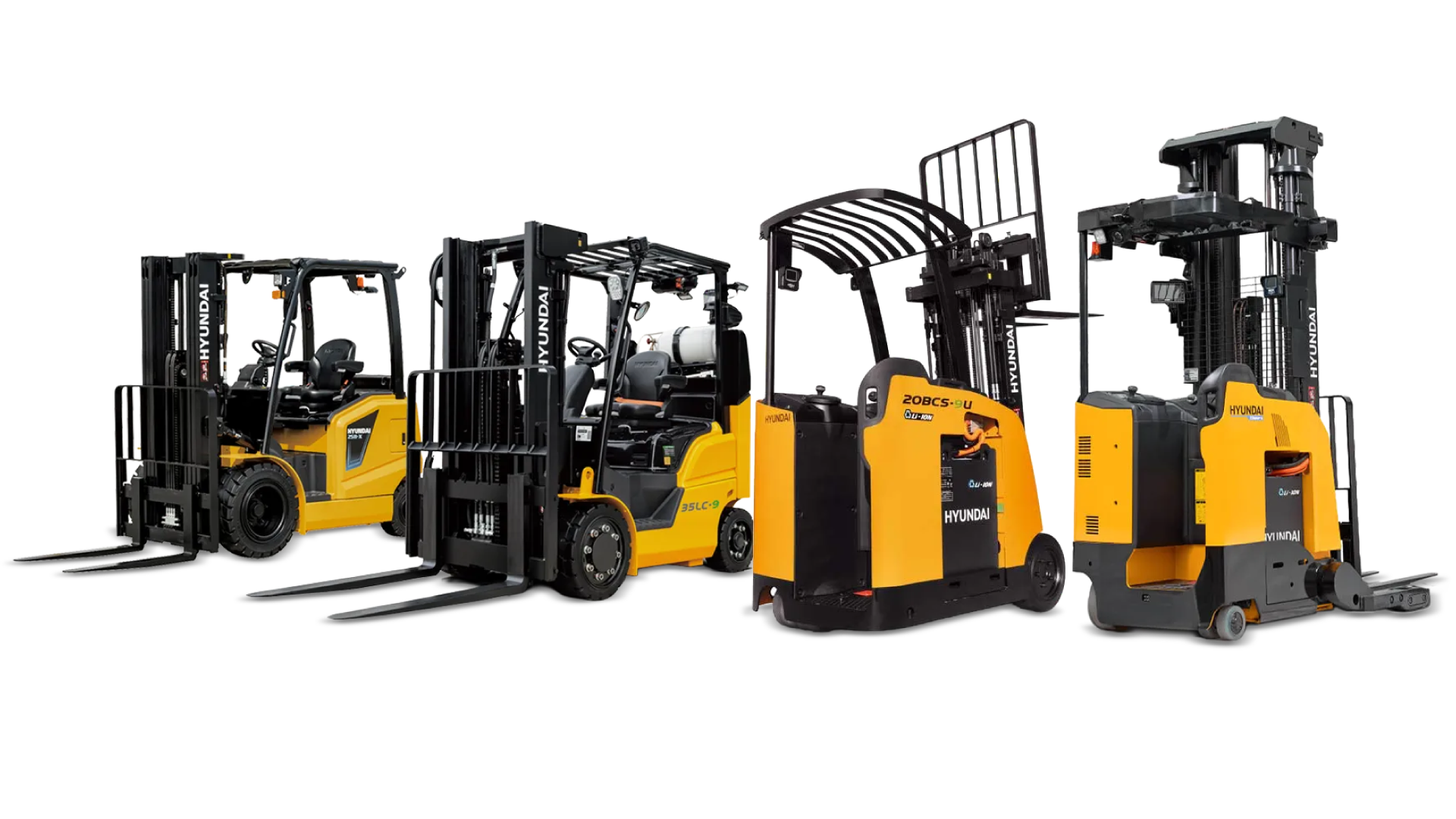
At Benco Industrial Equipment, we provide forklifts, warehouse equipment, rentals, service, and other material-handling solutions for businesses in St. Louis and surrounding markets.
If your facility has busy forklift traffic, blind spots, pedestrian activity, or a history of near misses, OmniPro by MATRIX may provide an additional layer of protection for your operation.
Instead of waiting for the next close call to become an accident, take a closer look at where collision risks exist in your facility and what they could cost your business.
Contact our team to discuss your fleet and facility, and to determine whether OmniPro by MATRIX makes sense for your operation.