Lithium Forklifts Now Rated for Outdoor Use: What That Means for Your Operation
For years, most companies assumed electric forklifts belonged indoors.
If you worked in a lumber yard, manufacturing facility, outdoor storage yard, or any application exposed to the weather, you typically chose LP or diesel. Electric forklifts simply weren't built for those conditions.
That's no longer the case.
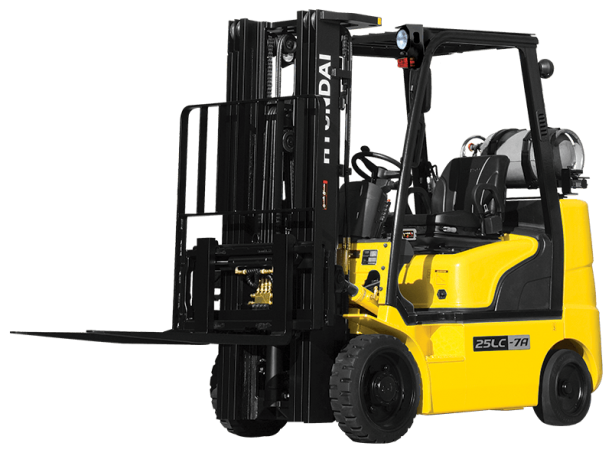
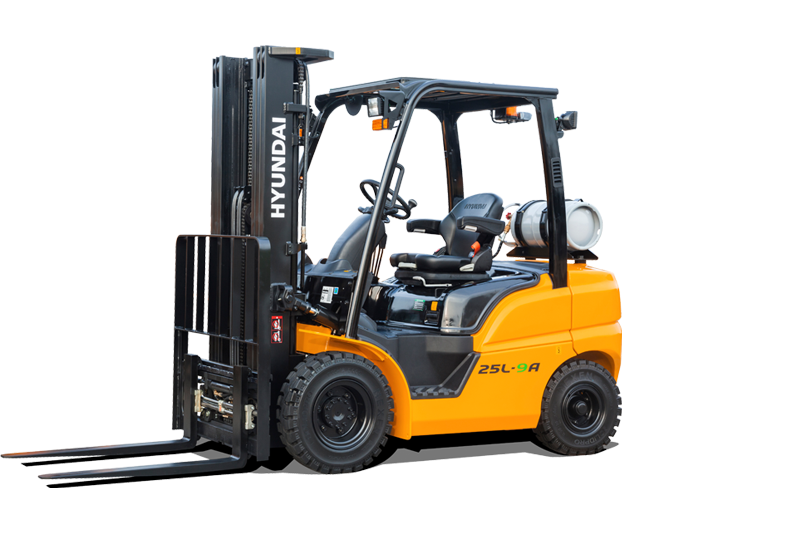
Today's lithium-ion forklifts can handle outdoor environments while delivering the power, performance, and durability you expect from traditional internal combustion equipment. As Denis Benden, CEO of Benco Industrial Equipment, explained, modern lithium forklifts can operate in rain, snow, and other demanding outdoor applications that once required LP or diesel trucks.
Why Electric Forklifts Used To Stay Indoors
The biggest limitation was simple: older electric forklifts weren't designed to handle the elements. Water could enter electrical contacts and components, raising reliability concerns for outdoor operations.
Because of that, most companies automatically choose LP or diesel whenever a forklift needs to work outside.
For years, electric forklifts earned a reputation as indoor-only equipment.
Today's lithium technology has changed that perception.
What Changed?
Manufacturers have improved the technology significantly.
Modern lithium forklifts are built for outdoor use. They feature better protection from the elements and more durable designs that allow them to operate in rain and snow without the concerns common with older electric equipment.
Battery technology has also improved.
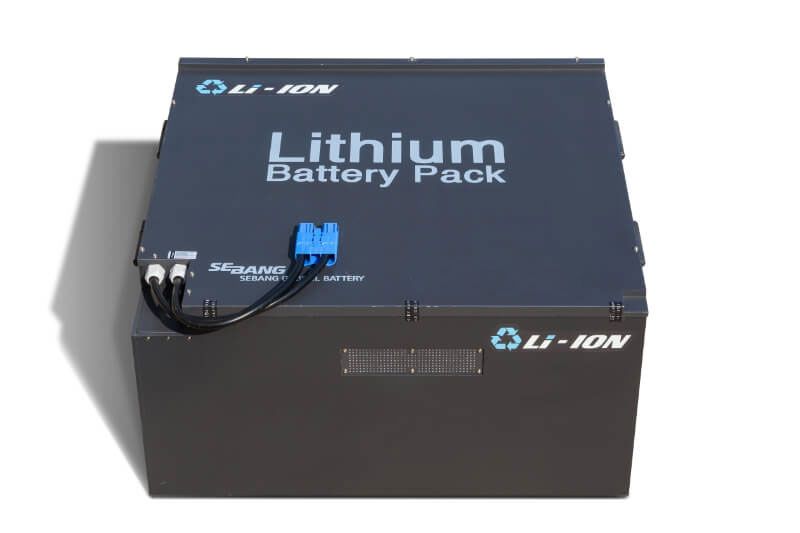
Depending on the application, many lithium forklifts can operate for 10 to 14 hours before needing a recharge. When charging is needed, operators can often return the battery to a full charge in less than two hours.
In short, you get longer runtime, faster charging, and a truck that can work in environments that once ruled electric forklifts out completely.
What Does Outdoor Rated Really Mean?
Many customers hear the phrase "outdoor rated" and wonder what that actually means.
As Denis mentioned, today's lithium forklifts operate in rain and snow while handling the same types of outdoor jobs that many companies have traditionally assigned to LP and diesel equipment.
That gives you more flexibility if your operation includes:
- Outdoor storage yards
- Loading docks
- Sawmills
- Manufacturing facilities
- Building material suppliers
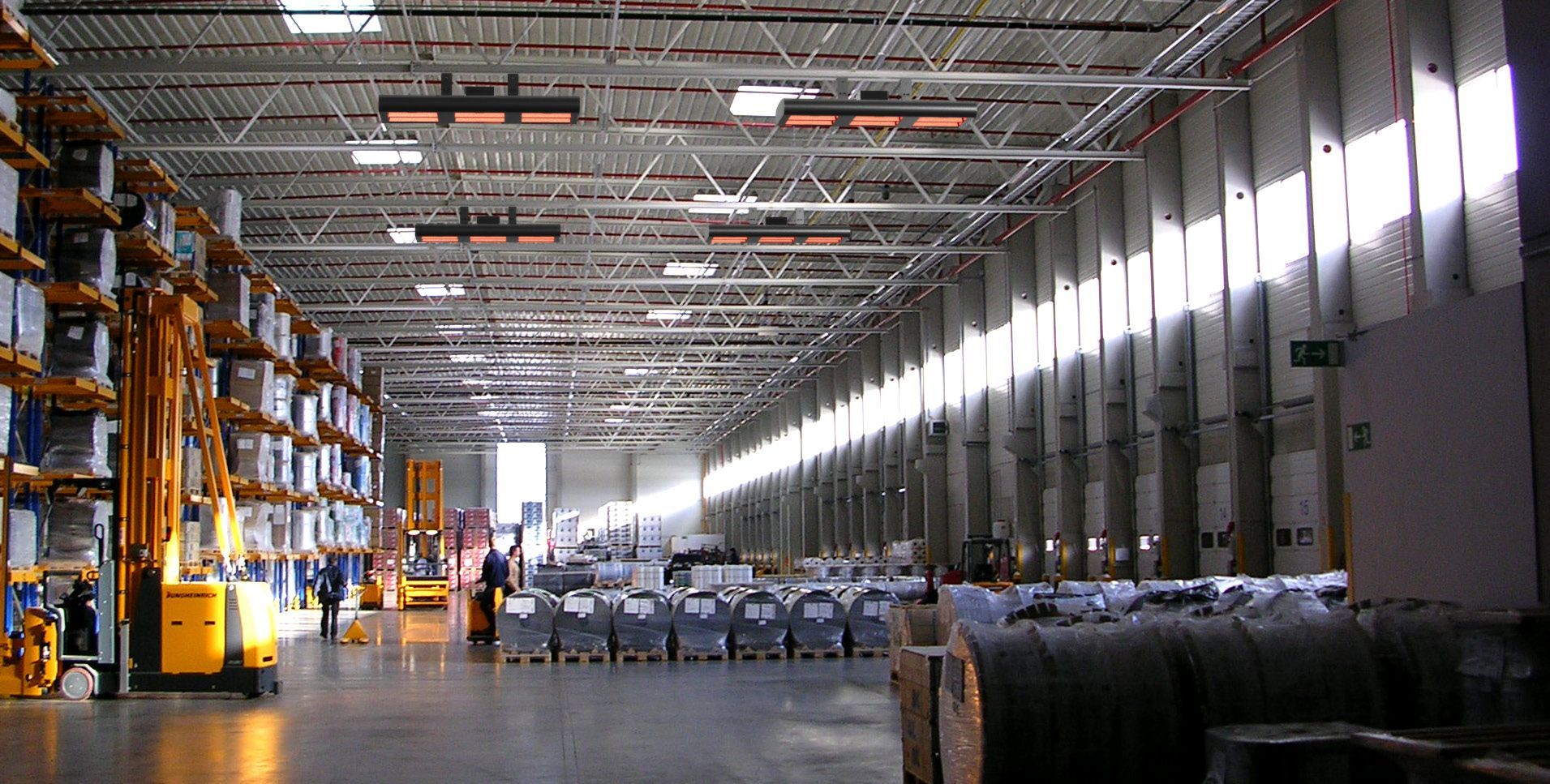
- Operations that move between indoor and outdoor environments
Perhaps even more impressive, lithium forklifts are now available in capacities up to 36,000 pounds. That opens the door for lithium power in applications that were once considered impossible for electric equipment.
Can Lithium Match LP and Diesel Performance?
This is usually the first question customers ask.
The answer is yes.
According to Denis, modern lithium forklifts deliver power, speed, and performance that are comparable to those of internal combustion units.
You don't have to sacrifice productivity to switch to lithium, nor will you notice a major reduction in noise.
Without a diesel or LP engine running, lithium forklifts operate much more quietly. In fact, many facilities install blue safety lights and red zone lights because pedestrians can no longer rely on engine noise to know a forklift is approaching.
For operators, that often creates a much more comfortable work environment throughout the day.
Spend Less Time on Maintenance
One of the biggest advantages of lithium forklifts is what they don't have.
You don't have starters, alternators, radiators, oil changes, tune-ups, filters, and many of the other maintenance items that come with internal combustion equipment.
A lithium forklift is much simpler mechanically. With fewer moving parts, you can reduce maintenance costs and potentially reduce downtime as well.
Those savings add up quickly over the life of the truck.
The Numbers Tell the Story
The biggest objection many customers have is the upfront purchase price.
Lithium forklifts typically cost more initially than comparable LP models. Denis shared an example in which a lithium truck had an acquisition cost of approximately $57,720 compared to $34,927 for a similar internal combustion unit.
However, the operating costs tell a different story.
Using Benco's ROI calculator, the projected payback period was approximately 1.24 years because of reduced fuel and operating expenses.
That's why more companies are looking beyond the purchase price and focusing on the total cost of ownership.
Faster Charging Changes Everything
Traditional lead-acid batteries require careful charging schedules and dedicated charging areas.
Lithium batteries give you much more flexibility.
You can take an opportunity charge during lunch breaks, shift changes, and other downtime throughout the day.
Instead of running a battery down completely, operators simply plug in whenever the truck isn't being used.
Lithium batteries also eliminate many of the challenges associated with lead-acid systems. They don't require the same ventilated battery rooms, and chargers can be positioned throughout your facility to make charging more convenient.
That means less travel time, less disruption, and more productivity.
How Long Does the Battery Last?
Another common question is battery life.
According to Denis, Lithium forklift batteries typically last between seven and ten years and include a seven-year warranty.
That long service life supports the overall return on investment that many customers see after switching.
A Real-World Example
One customer in the sawmill industry decided to try a lithium forklift in an outdoor application.
The results exceeded expectations.
According to Denis, the customer was so impressed with the forklift's outdoor performance that they purchased a second lithium truck within three months. The trucks operate outdoors full-time and have helped demonstrate that lithium forklifts can succeed in applications that traditionally relied on internal combustion equipment.
Stories like this are becoming more common as businesses gain firsthand experience with the technology.
The Biggest Misconceptions Still Exist
Even with all of these advancements, some misconceptions remain.
Many customers still assume electric forklifts belong indoors. Others worry about battery fires or assume lithium equipment can't match the power and torque of LP and diesel models.
According to Denis, those concerns often come from outdated information or assumptions based on consumer battery products rather than modern industrial lithium forklift technology.
Stop Letting Old Assumptions Drive New Equipment Decisions
The forklift industry has changed dramatically over the past several years.
If you've always chosen LP or diesel because your forklifts operate outdoors, it's worth taking another look at what's available today. Modern lithium forklifts can handle rain, snow, demanding outdoor applications, long runtimes, and fast charging while reducing maintenance requirements and operating costs.
As Denis puts it, the old way of thinking needs to go out the door. The technology is here. The best way to see what lithium forklifts can do is to put one to work in your operation and experience the difference for yourself through a live demonstration.
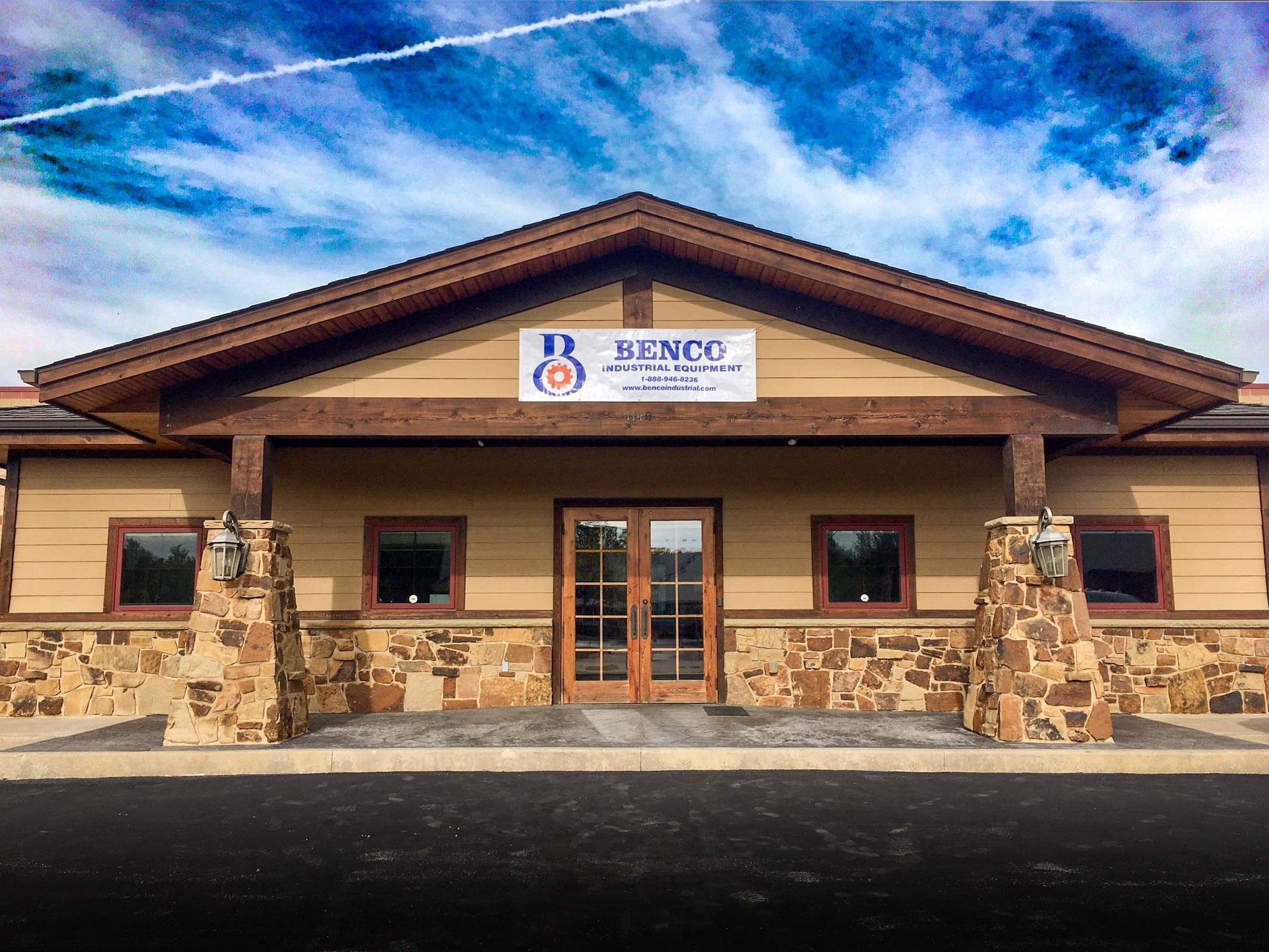
Work With Benco Industrial Equipment
If you're still thinking of lithium forklifts as indoor-only equipment, it may be time to take another look. Today's lithium-powered forklifts can work in rain, snow, and demanding outdoor environments while delivering the power, runtime, and performance many businesses have traditionally relied on LP or diesel equipment to provide.
At the same time, they can help reduce maintenance requirements, lower operating costs, and create long-term savings.
As an authorized Hyundai dealer, Benco Industrial Equipment helps businesses throughout Missouri determine whether a lithium forklift is the right fit for their operation. Whether you run a warehouse, lumber yard, manufacturing facility, sawmill, or outdoor storage yard, our team can evaluate your application, compare forklift options, and help you calculate the true cost of ownership before you invest.
In addition to providing Hyundai forklift sales, Benco offers experienced service technicians, preventive maintenance programs, parts support, repairs, rentals, and on-site demonstrations. If you're curious whether lithium can replace LP or diesel in your operation, we'll help you see the technology firsthand and make an informed decision based on your specific needs.
If you're considering a new forklift, contact Benco Industrial Equipment today to discuss your application and explore the Hyundai forklift lineup.