The Hidden Costs of Forklift Downtime
Forklift downtime is often viewed as a repair problem. A forklift breaks down, the equipment gets serviced, and operations move forward.
However, the actual cost of downtime extends far beyond the repair invoice.
Every hour a forklift is out of service can create delays, reduce productivity, increase labor costs, and negatively affect customer satisfaction.
For warehouse managers and operations leaders, understanding the true impact of downtime is essential when making decisions about maintenance, fleet management, and equipment replacement.
Downtime Disrupts Productivity Across the Entire Warehouse
Forklifts play a central role in material handling operations. When a unit becomes unavailable, the effects quickly spread throughout the facility.
Employees may need to wait for equipment, share machines with other operators, or adjust workflows to compensate for reduced capacity. Tasks that normally take minutes can take significantly longer when equipment is unavailable.
Even a single forklift outage can create bottlenecks in receiving, storage, picking, and shipping operations. As delays accumulate, overall warehouse efficiency declines.
Labor Costs Continue Even When Equipment Is Idle
Even if a forklift is out of service, labor expenses continue.
Employees assigned to specific tasks may spend time waiting for available equipment or working less efficiently by using alternative methods. Other operators may be forced to juggle additional responsibilities, creating workflow interruptions across multiple departments.
Over time, these hidden labor costs can exceed the actual repair expense, especially in high-volume facilities where equipment utilization is critical to daily production targets.
Delayed Shipments Can Impact Customer Relationships
Customers rarely see what happens inside a warehouse. They simply expect products to arrive on time.
When forklift downtime slows order fulfillment, shipping schedules can be disrupted. Missed deadlines may result in expedited freight charges, backorders, or delayed deliveries.
For businesses operating in competitive markets, consistent delivery performance is often a key factor in customer retention. Repeated delays can damage trust and create opportunities for competitors to win business.
Emergency Repairs Are Often More Expensive
Reactive maintenance typically costs more than proactive maintenance.
When equipment fails unexpectedly, repairs frequently require emergency service calls, rush-ordered parts, and unplanned technician labor. In some cases, additional damage may occur if operators continue using equipment after performance issues first appear.
Addressing small maintenance concerns early can help prevent larger failures that lead to extended downtime and higher repair costs.
Equipment Rentals Add Unexpected Expenses
When critical forklifts are unavailable, many operations turn to rental equipment to maintain productivity.
While rentals can provide a valuable short-term solution, they also introduce additional costs that may not have been anticipated in the budget. Transportation fees, rental rates, and operator adjustments to unfamiliar equipment can all contribute to increased operating expenses.
Frequent reliance on rentals may indicate that a fleet is aging or no longer properly aligned with operational demands.
Safety Risks Can Increase During Downtime
Downtime often forces teams to adapt.
Operators may use equipment that is not ideally suited to a particular task, work longer shifts to make up for lost productivity, or rush to make up for schedule disruptions. These situations can increase the likelihood of accidents, property damage, and workplace injuries.
Maintaining reliable equipment is not only a productivity issue. It is also an important part of creating a safer warehouse environment.
Downtime Makes Long-Term Planning More Difficult
Unexpected equipment failures create uncertainty.
Managers may struggle to accurately forecast labor needs, production schedules, maintenance budgets, and customer commitments when equipment availability becomes unpredictable.
Frequent breakdowns can also make it difficult to determine when repairs are no longer cost-effective compared to replacing aging equipment.
Tracking downtime trends across a fleet provides valuable insight into equipment performance and helps organizations make more informed capital investment decisions.
Preventing Downtime Starts With Proactive Fleet Management
While no piece of equipment lasts forever, many downtime issues can be reduced through regular inspections, preventive maintenance, operator training, and timely equipment upgrades.
A proactive approach allows warehouse managers to identify potential concerns before they become operational disruptions. It also helps maximize equipment lifespan while reducing the likelihood of unexpected failures.
The goal is not simply to avoid repair bills. It is to protect productivity, control costs, support employee safety, and maintain reliable service for customers.
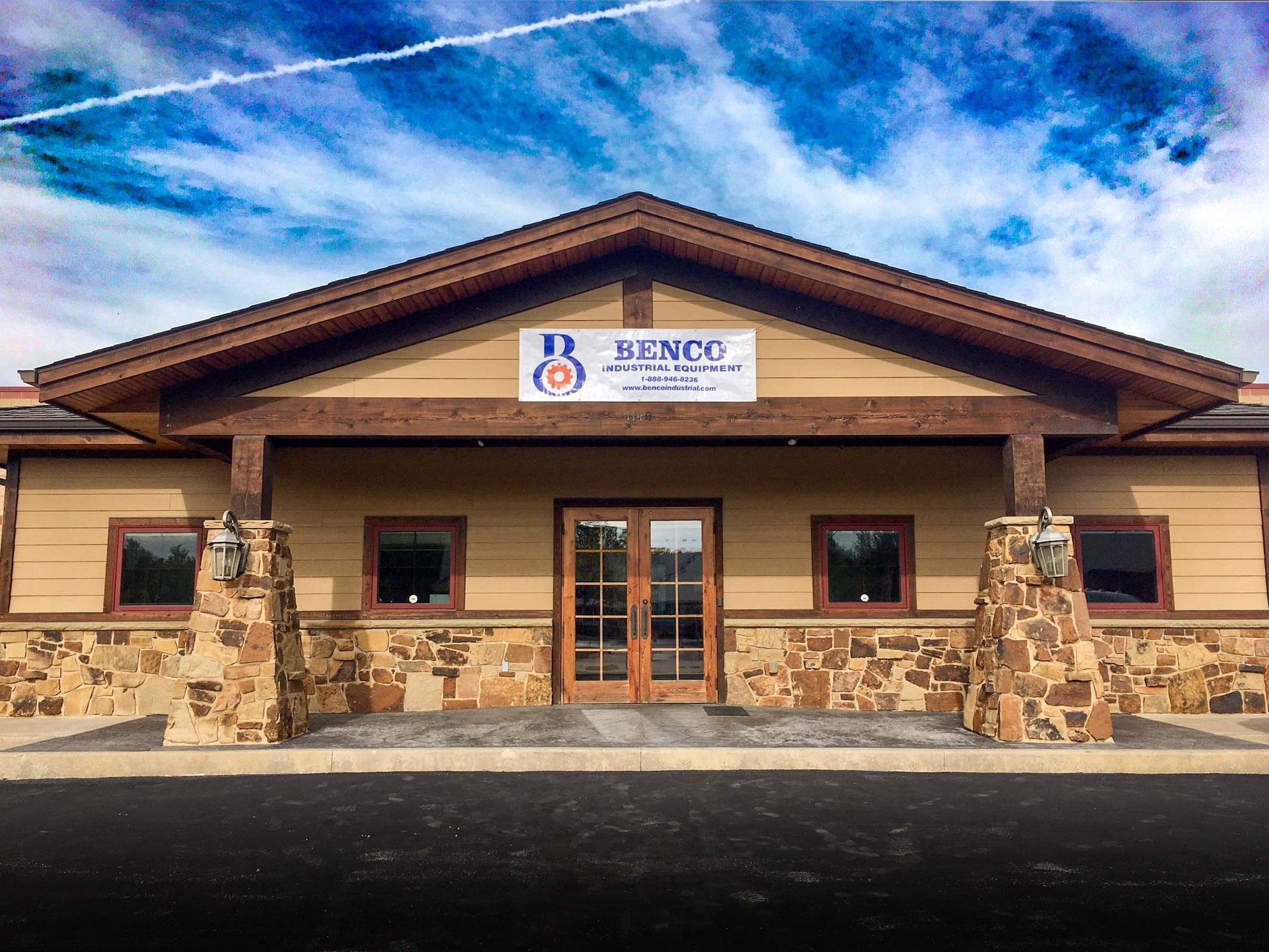
Work With Benco Industrial Equipment
Forklift downtime affects far more than your maintenance budget. From reduced productivity and increased labor costs to delayed shipments and safety concerns, equipment failures can significantly impact warehouse performance.
Benco Industrial Equipment helps businesses keep operations running smoothly with forklift sales, service, maintenance, rentals, and fleet support solutions.
Whether you need to improve equipment reliability or determine when to replace aging units, our team can help you develop a strategy to minimize downtime and support long-term operational success. Contact us today!