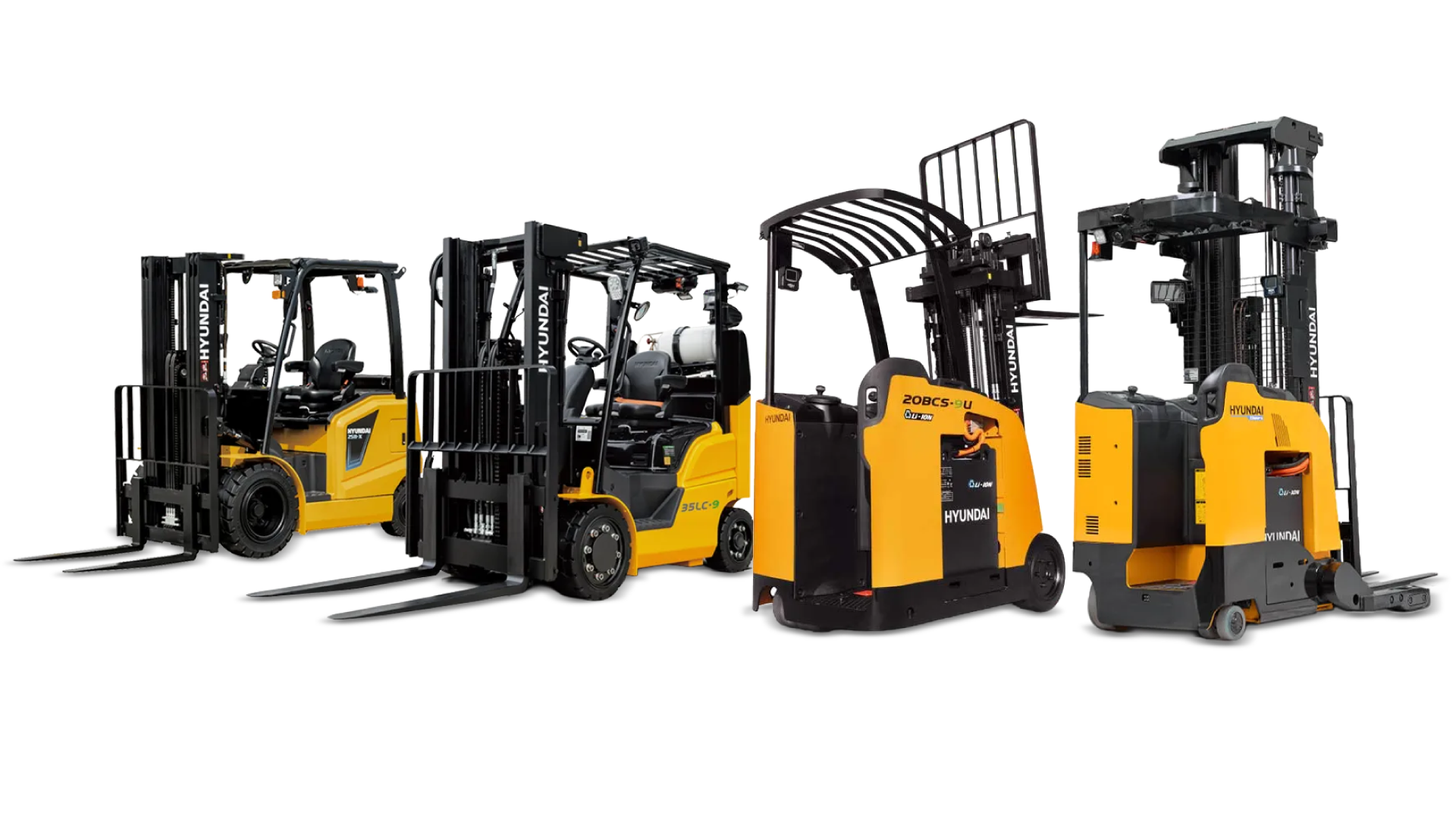
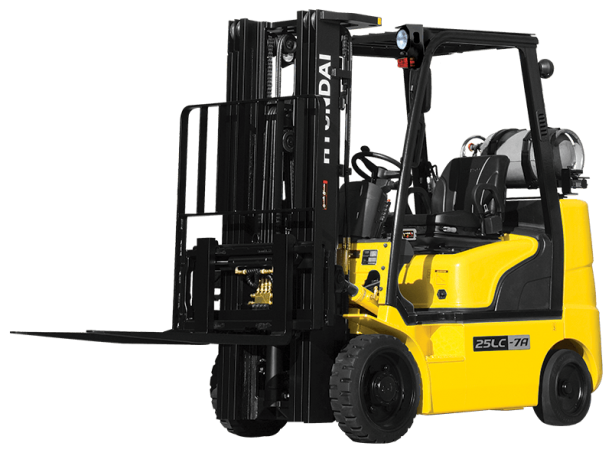
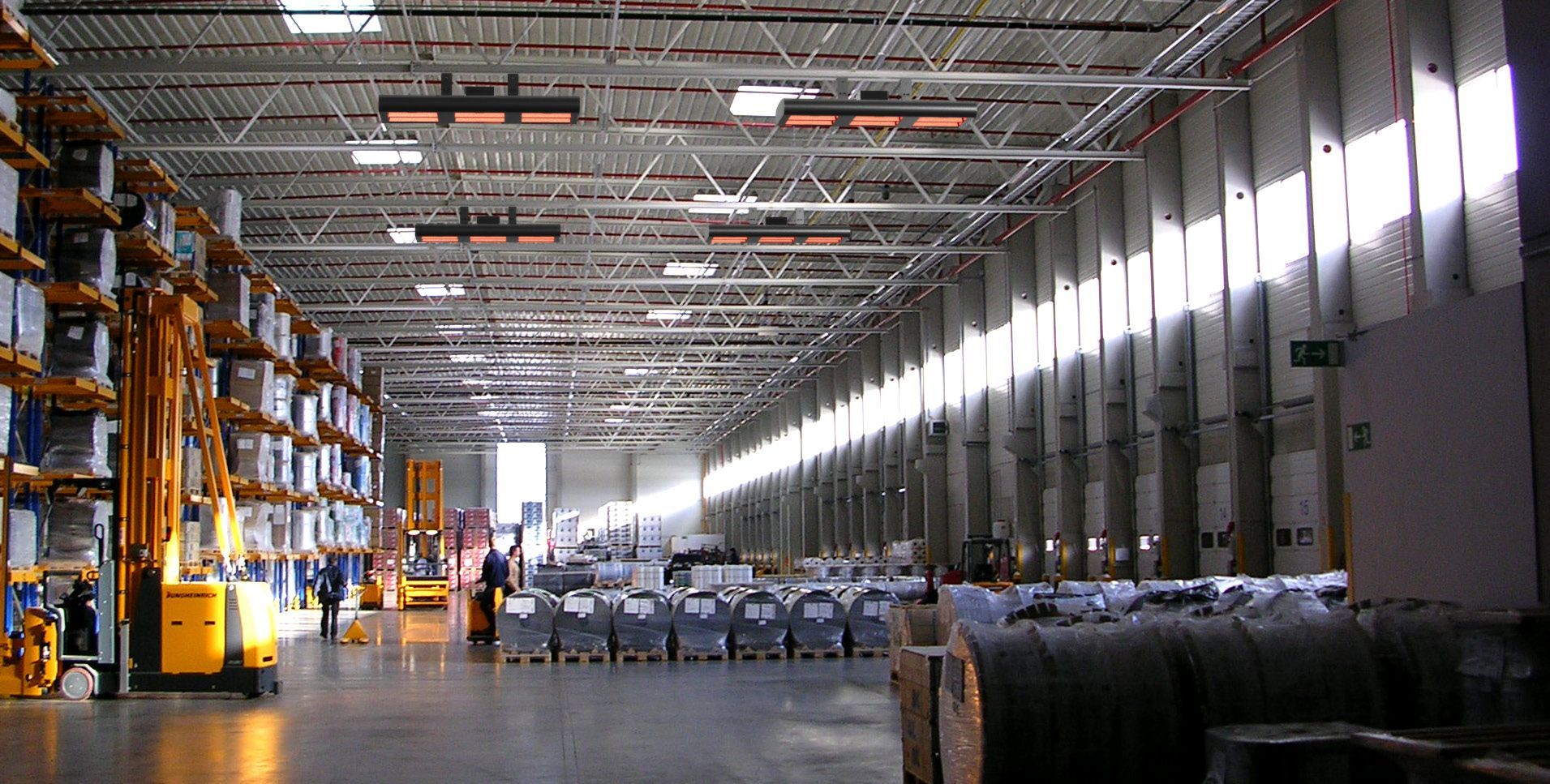
Electric Forklifts vs. Diesel vs. LP: Which Power Source Is Right for Your Operation
If you are comparing electric, diesel, and LP forklifts, the right choice depends on how and where you use your equipment.
Electric forklifts are often the best fit for indoor operations because they are quieter, cleaner, and usually require less routine maintenance.
Diesel forklifts are better for heavy-duty outdoor work, while LP forklifts offer a middle-ground option with faster refueling and flexible use across different environments.
Your decision should come down to a few practical questions.
- How long do your trucks need to run?
- How fast do you need to refuel or recharge?
- Will they be used indoors, outdoors, or both?
- How much maintenance can your team handle?
Let's break down each of these three power sources, along with the questions and considerations for each, so you can feel confident and prepared to buy the best type of forklift for your operations.
Should You Choose an Electric, Diesel, or LP Forklift?
You should choose the power source that fits your environment, workload, and service capabilities.
If your operation is mostly indoors, electric forklifts are often the strongest option.
If you need all-day performance in rugged outdoor conditions, diesel may make more sense. If you want something in between, LP forklifts can be a practical choice.
Here is the simplest way to think about it:
- Electric forklifts are usually best for indoor warehouses and cleaner environments
- Diesel forklifts are usually best for heavy-duty outdoor jobs
- LP forklifts are often best for mixed-use operations that need quick refueling
What Makes Electric Forklifts So Appealing?
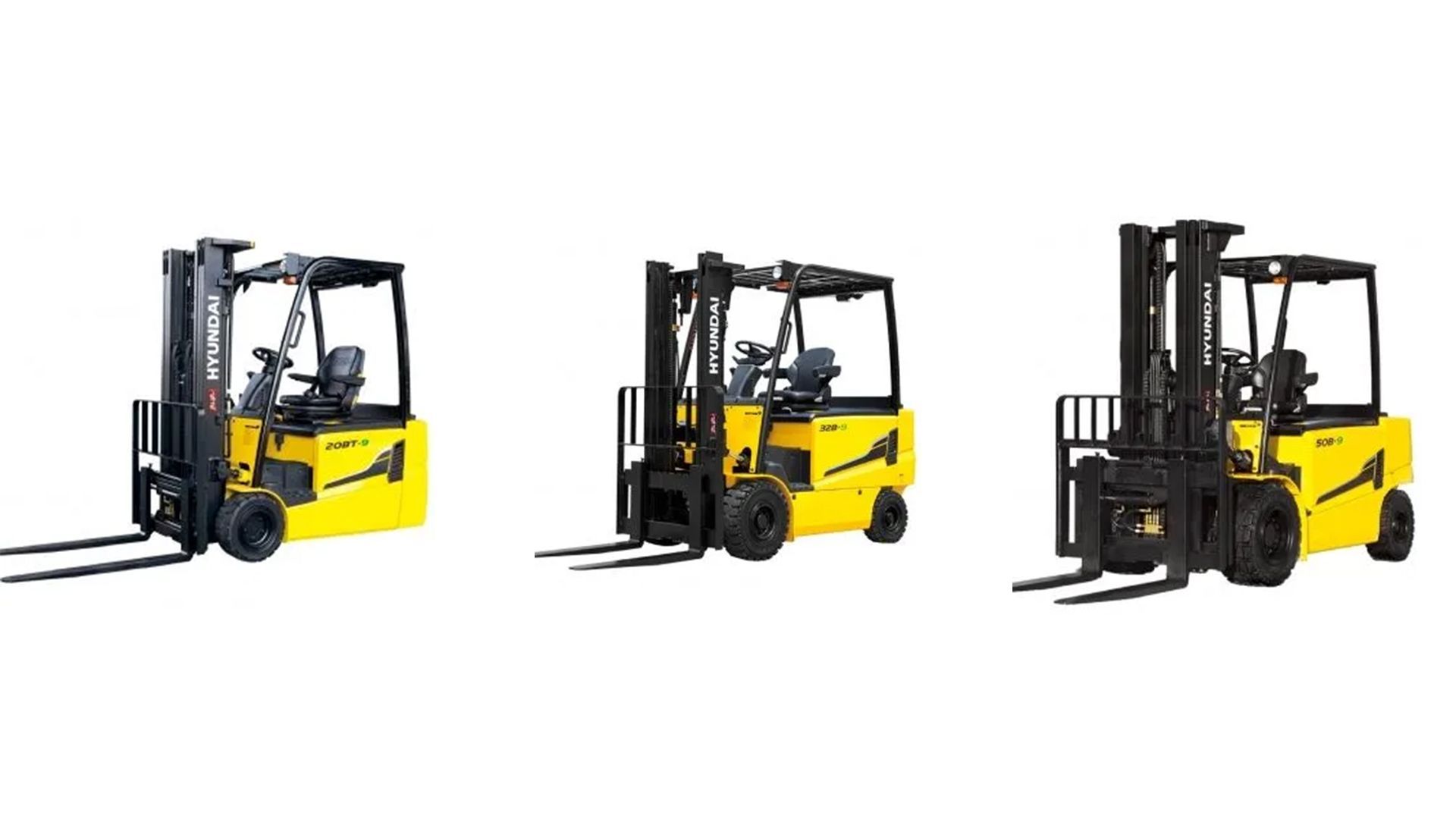
Electric forklifts are appealing because they are cleaner, quieter, and typically easier to maintain.
If you run a warehouse, distribution center, or indoor facility, those benefits matter. With electric, you don't have tailpipe emissions, which helps with indoor air quality. You also reduce noise, which can make a noticeable difference for employees working around the equipment all day.
Electric forklifts also tend to have fewer moving parts than internal-combustion trucks. That usually means less routine service and fewer engine-related maintenance tasks.
How Long Do Electric Forklifts Run?
Most electric forklifts run about six to eight hours on a full charge under moderate use.
That is a useful benchmark, but your actual runtime depends on things like:
- Battery type
- Truck size
- Weight of the loads
- Frequency of use
- Intensity of the work
A truck doing light pallet movement in a warehouse will not drain the battery the same way a truck doing nonstop heavy lifting will.
How Long Does It Take to Charge an Electric Forklift?
Charge time depends on the battery.
- Lead-acid batteries often take around eight hours to fully charge
- Lithium-ion batteries can often charge in about one to two hours with the right charger
Lithium-ion batteries also allow for opportunity charging. That means you can charge the truck during breaks, lunch, or downtime between shifts instead of waiting for a full overnight cycle.
For some businesses, that is a major operational advantage.
What Are The Benefits of Electric Forklifts?
Electric forklifts make the most sense when you want a cleaner and lower-maintenance option.
Key benefits include:
- No tailpipe emissions
- Lower noise levels
- Less routine maintenance
- Strong fit for indoor use
- Lower day-to-day operating costs in many cases
- Better employee comfort in enclosed work areas
A good example would be a warehouse that runs one or two shifts indoors and wants to reduce noise, fuel handling, and maintenance interruptions. In that case, electric often checks the right boxes.
What Are the Downsides of Electric Forklifts?
Electric forklifts are not perfect for every business.
Their biggest limitations usually include:
- Charging time
- Battery management
- Dependence on charging infrastructure
- Planning needs for multi-shift operations
- Higher upfront costs in some cases
If your business runs around the clock and cannot afford charging downtime without a clear battery strategy, electric may require more planning than you want.
When Does a Diesel Forklift Make More Sense?
Diesel forklifts usually make more sense when you need strong outdoor performance, long run times, and fast refueling.
If your equipment works in a yard, on rougher surfaces, or in a heavy-duty environment, diesel may still be the better choice. These trucks are known for torque, durability, and the ability to stay productive without waiting on battery charging.
Electric forklifts usually require the least routine maintenance. That is one of their biggest selling points. Since they do not rely on the same engine systems as diesel or LP trucks, they typically avoid many of the service tasks tied to combustion equipment.
That often means less time dealing with:
- Engine fluids
- Exhaust-related issues
- Fuel-system maintenance
- Traditional engine wear items
Diesel and LP forklifts can still be the right choice, but they usually come with more conventional engine maintenance over time.
For a business owner, this often comes down to labor and downtime. If your team wants to reduce service interruptions and simplify routine upkeep, electric has a strong advantage.
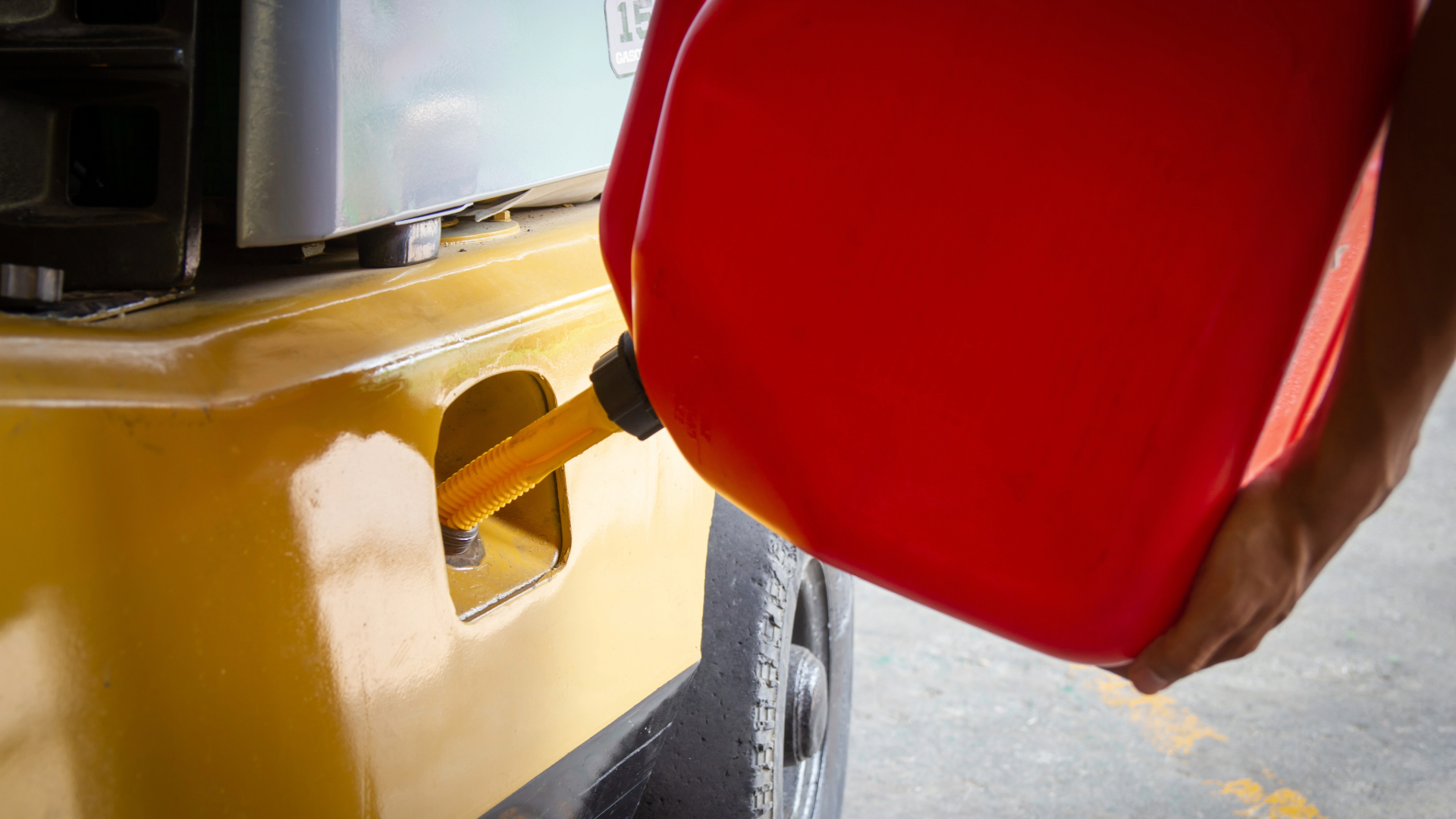
What Are the Benefits of Diesel Forklifts?
Diesel forklifts are often chosen for demanding jobs where strength and uptime matter most.
Common benefits include:
- Strong power for heavy-duty lifting
- Long continuous run times
- Quick refueling
- Strong fit for outdoor environments
- Good performance in rugged applications
A practical example would be a business handling heavy materials in an outdoor yard all day. In that setting, diesel may offer the power and convenience needed to keep work moving.
What Are the Downsides of Diesel Forklifts?
Diesel forklifts come with tradeoffs, especially indoors.
The biggest drawbacks include:
- Exhaust emissions
- Louder operation
- Poor fit for enclosed spaces
- Greater indoor air-quality concerns
- More engine-related maintenance than electric
If your team works inside a warehouse or partially enclosed building, those drawbacks become much harder to ignore. Diesel is usually not the best option for environments where ventilation and employee exposure are major concerns.
Is LP the Same as Liquid Propane?
Yes. In forklift discussions, LP and liquid propane refer to the same general fuel category.
You may also hear people say LPG. In practical business terms, you are talking about propane-powered forklifts.
LP forklifts are often attractive because they offer a middle-ground option. They give you faster refueling than electric, while still working well for many mixed indoor and outdoor applications.
When Is an LP Forklift the Best Option?
An LP forklift is often the best option when you want flexibility and quick refueling.
If your business moves between indoor and outdoor work or does not want to depend fully on charging infrastructure, LP can be a practical choice.
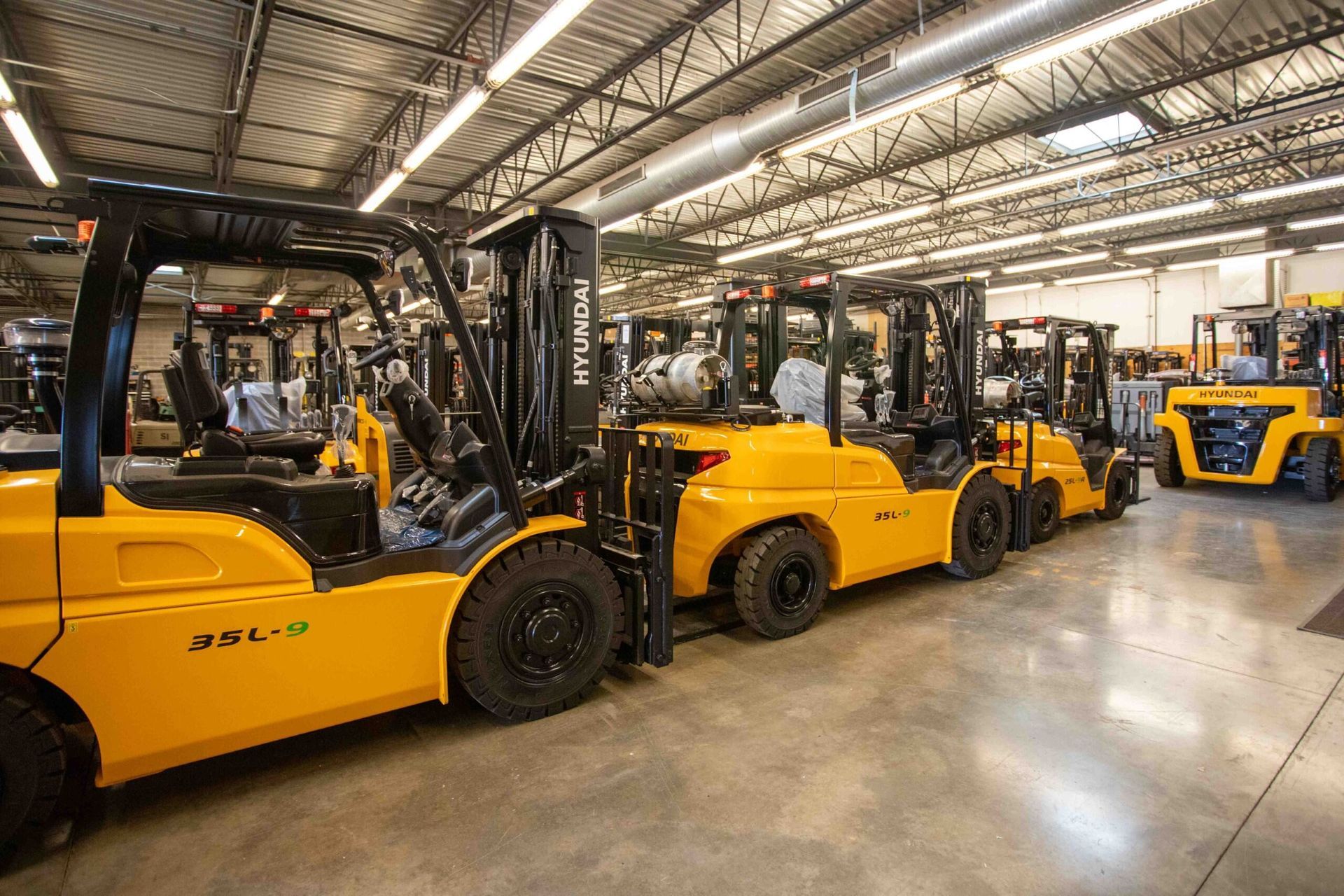
What Are the Benefits of LP Forklifts?
LP forklifts can work well for businesses that need balance.
Common benefits include:
- Fast refueling
- Flexible use across different work environments
- No long battery charging cycle
- Easier adoption if you do not have charging infrastructure
- Good fit for mixed-use operations
For example, if you have a facility where trucks move between warehouse space and outdoor loading areas, LP may feel more practical than diesel or electric, depending on your workflow.
What Are the Downsides of LP Forklifts?
LP forklifts still have important limitations.
Their main drawbacks include:
- They still produce emissions
- They still require ventilation awareness indoors
- They do not offer the same low-maintenance profile as electric
- They are not as clean or quiet as electric forklifts
This is where some businesses get tripped up. LP is often cleaner-burning than diesel, but it is still an internal-combustion option. It is not the same as having an emissions-free electric truck.
Which Forklift Type Requires the Least Maintenance?
Electric forklifts usually require the least routine maintenance.
That is one of their biggest selling points. Since they do not rely on the same engine systems as diesel or LP trucks, they typically avoid many of the service tasks tied to combustion equipment.
That often means less time dealing with:
- Engine fluids
- Exhaust-related issues
- Fuel-system maintenance
- Traditional engine wear items
Diesel and LP forklifts can still be the right choice, but they usually come with more conventional engine maintenance over time.
For a business owner, this often comes down to labor and downtime. If your team wants to reduce service interruptions and simplify routine upkeep, electric has a strong advantage.
Work With Benco Industrial Equipment
The right equipment can boost productivity, reduce downtime, and keep your team safe, whether you manage a warehouse, manufacturing facility, or distribution center.
At Benco Industrial Equipment, our team provides personalized guidance to help you find forklifts and material-handling solutions that meet your specific needs.
Contact us today to get started!