Forklift Renting vs Buying: What is Best for Your Operation?
If you are deciding between renting and buying a forklift, the best choice depends on how long you need the truck, how hard you will run it, and how much downtime you can afford.
Renting is often the smartest move for short-term needs, seasonal spikes, or when a forklift goes down unexpectedly. Buying usually makes more sense when you have steady, long-term demand and want to control the equipment for years.
Your decision should come down to a few practical questions.
- How long do you need the forklift?
- How predictable is your workload?
- How fast do you need to be up and running?
- Do you have the budget and maintenance plan to support ownership?
Let's break down renting and buying so you can feel confident choosing the option that's best for your operation.
Should You Rent or Buy a Forklift?
You should rent a forklift when your need is temporary, uncertain, or urgent. You should buy a forklift when your operation needs a truck consistently, and you want long-term control over cost and availability.
Here is the simplest way to think about it:
- Renting is usually best for short-term or changing needs
- Buying is usually best for steady, long-term use
- If you are somewhere in between, leasing can be a practical middle option worth considering
What Makes Forklift Rentals So Appealing?
Forklift rentals are appealing because they help you stay productive without the commitment of ownership.
If you have a short-term job, a busy season, or a truck that is down, renting can get you back to work fast.
Renting can also reduce risk. You are not locked into a single truck if your layout, load requirements, or workflow changes.
When Does Renting a Forklift Make the Most Sense?
Renting often makes sense when speed and flexibility matter more than long-term cost optimization.
Common rental situations include:
- Your forklift is down, and you need a replacement now
- You have a seasonal or temporary increase in volume
- You are starting a new operation and want to test the needs before committing
- You have a one-time project like a warehouse move, inventory push, or equipment installation
- You need a specialty unit for a unique job
Many operations also use rentals as a downtime strategy. If a forklift goes down, a rental can keep production moving while repairs are completed.
What Are the Benefits of Renting a Forklift?
Renting is often the best option when you want flexibility and fast uptime.
Key benefits include:
- Faster access to equipment when time matters
- Lower upfront cost compared to buying
- Flexibility to match equipment to short-term needs
- Easier scaling during peak demand
- A practical backup plan when a truck is out of service
A good example is a warehouse that normally runs one shift but ramps up for a few weeks each quarter. In that case, renting can cover the spike without adding long-term overhead.
What Are the Downsides of Renting a Forklift?
Renting is not perfect for every business. The biggest limitations usually include:
- Higher cost over time if your need becomes long-term
- Availability constraints during peak seasons
- Less customization than owning your own truck
- You may need to plan ahead if you require a very specific configuration
If you know you need a forklift every day for years, renting can become an expensive way to cover a permanent requirement.
Why Does Buying a Forklift Make More Sense?
Buying a forklift usually makes more sense when you have steady demand and want a long-term solution. If your truck will run daily, year-round, buying can give you more control and predictability.
Buying may be the better choice when:
- Your forklift is a core part of daily operations
- Your loads, lift height, and environment are consistent
- You want to control maintenance schedules and equipment standards
- You want to avoid relying on rental availability during busy periods
- You plan to keep the truck long enough to justify ownership
If your forklift is the lifeblood of your warehouse, ownership can reduce operational uncertainty.
What Are the Benefits of Buying a Forklift?
Buying is often chosen for long-term value and control. Common benefits include:
- Full control over equipment selection and configuration
- Predictable access to the truck whenever you need it
- Better long-term economics when usage is consistent
- Ability to standardize operator experience across your fleet
- Stronger fit when your operation depends on specific capabilities
For example, if you run the same routes, lift the same pallets, and work the same dock schedule every day, owning a properly matched forklift can simplify operations.
What Are the Downsides of Buying a Forklift?
Buying comes with tradeoffs, especially if your needs change. Common drawbacks include:
- Higher upfront cost
- Responsibility for maintenance planning and repair downtime
- Risk of buying the wrong truck for your environment or workflow
- Equipment aging, depreciation, and eventual replacement decisions
Ownership can work very well, but it depends on choosing the right forklift and supporting it with the right service plan.
Benco's team supports forklift sales and ongoing service, which can help reduce that risk for buyers who want a long-term solution.
What About Leasing?
Even if you are focused on renting versus buying, leasing is worth considering because it falls in the middle.
Leasing is often a practical option when you want:
- A longer-term forklift solution without full upfront ownership cost
- Predictable monthly payments
- The ability to upgrade as needs change
Benco offers forklift leasing along with sales and rentals, so if your timeline is measured in years but you want flexibility, leasing may be a strong option to explore.
What Information Do You Need to Choose the Right Option?
Whether you rent or buy, the fastest way to get the right recommendation is to clarify a few operational details. These are the variables that typically determine what type of forklift you need and whether renting or buying makes more sense.
Here are the most helpful questions to answer:
- What is your timeline (days, weeks, months, or ongoing)?
- How many hours per day will the truck run?
- What is your typical load weight and your heaviest load?
- What lift height do you need to reach?
- Will you operate indoors, outdoors, or both?
- What kind of floor or yard surface will you drive on?
- Do you need any attachments (fork positioners, clamps, booms, etc.)?
- How tight are your aisles and turning areas?
- How important is a backup plan if a truck goes down?
If you can provide those details, it becomes much easier to match the right truck and the right acquisition strategy to your operation.
Which Option Helps You Avoid Downtime?
If uptime is your top priority, the best strategy is often a combination of the right equipment plus a support plan.
For many operations:
- Renting helps you stay productive when needs spike or equipment fails
- Buying supports consistent daily work with full control
- Service support and repair response times reduce risk either way
Benco specifically highlights that if a forklift goes down, they can not only fix it, but also bring a rental forklift to help prevent catastrophic downtime, which is exactly the kind of reassurance many warehouse managers are looking for.
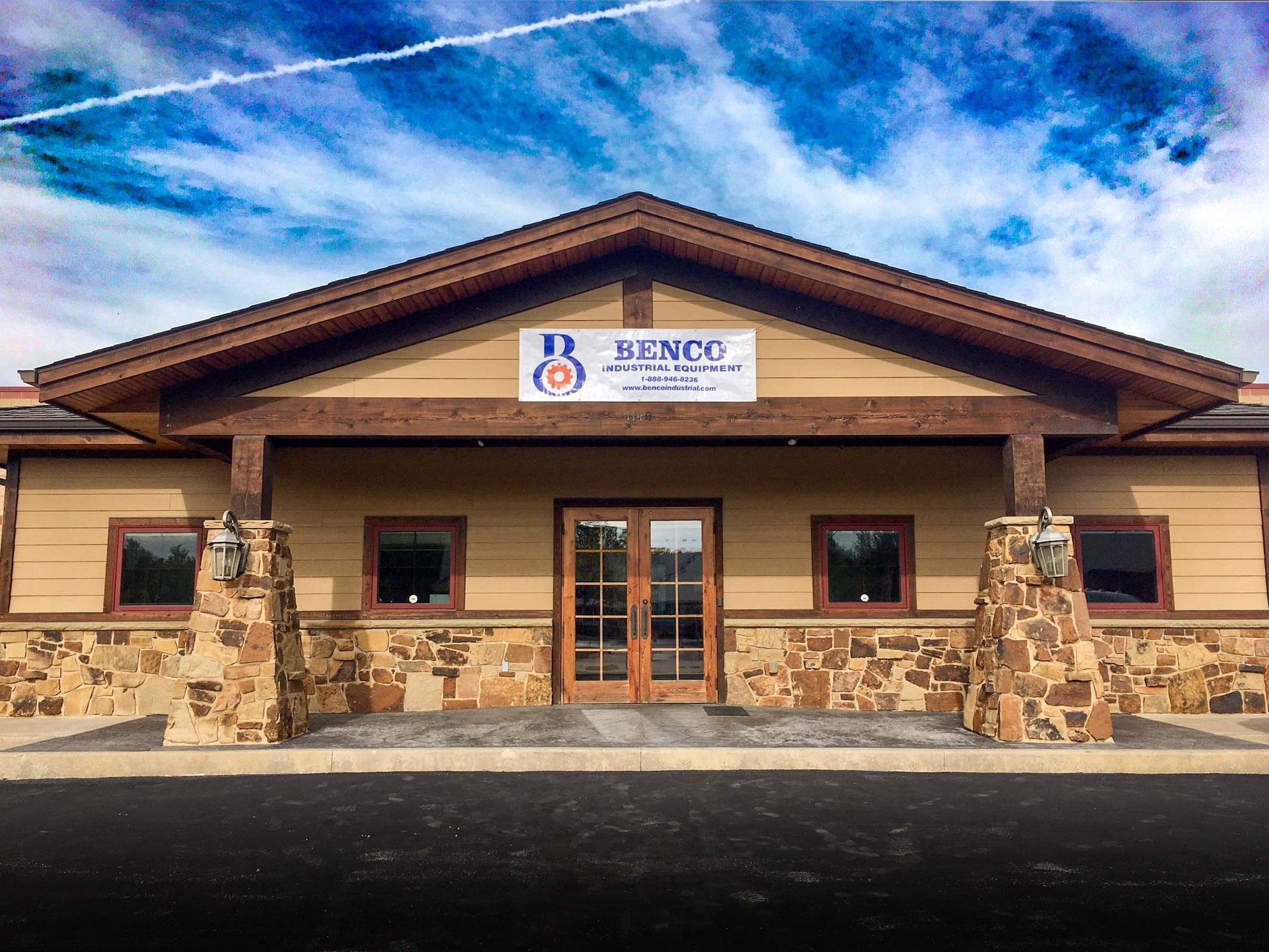
Work With Benco Industrial Equipment
The right forklift decision can boost productivity, reduce downtime, and help your team work more safely and efficiently. If you manage a warehouse, manufacturing facility, or distribution center, the best choice is the one that matches your workload, environment, and timeline.
Benco Industrial Equipment supports forklift rentals, sales, leasing, and repair so you can choose the path that fits your operation and keep work moving.
Ready to compare options for your facility?
Contact Benco today to talk through your needs and get a recommendation.