Severe Weather Prep: Essential Safety Guidelines for Warehouses This Spring
Spring storm season brings an increased risk of severe weather across much of the country, including strong thunderstorms, high winds, tornadoes, heavy rain, and power outages.
For warehouse and industrial facilities, these events can pose serious risks to employee safety, equipment, and day‑to‑day operations.
While severe weather cannot be prevented, its impact can often be reduced through proactive planning and preparation.
By reviewing safety procedures and facility readiness before storm season begins, warehouse managers and property owners can help protect both people and assets when severe weather strikes.
Severe Weather Risks in Warehouse Environments
Warehouses face unique challenges during severe weather due to their size, layout, and construction.
Large open floor plans, high ceilings, dock doors, and tall storage systems can increase exposure to wind, water intrusion, and flying debris.
Common weather‑related risks include:
- High winds or tornadoes can damage roofs, doors, and exterior walls
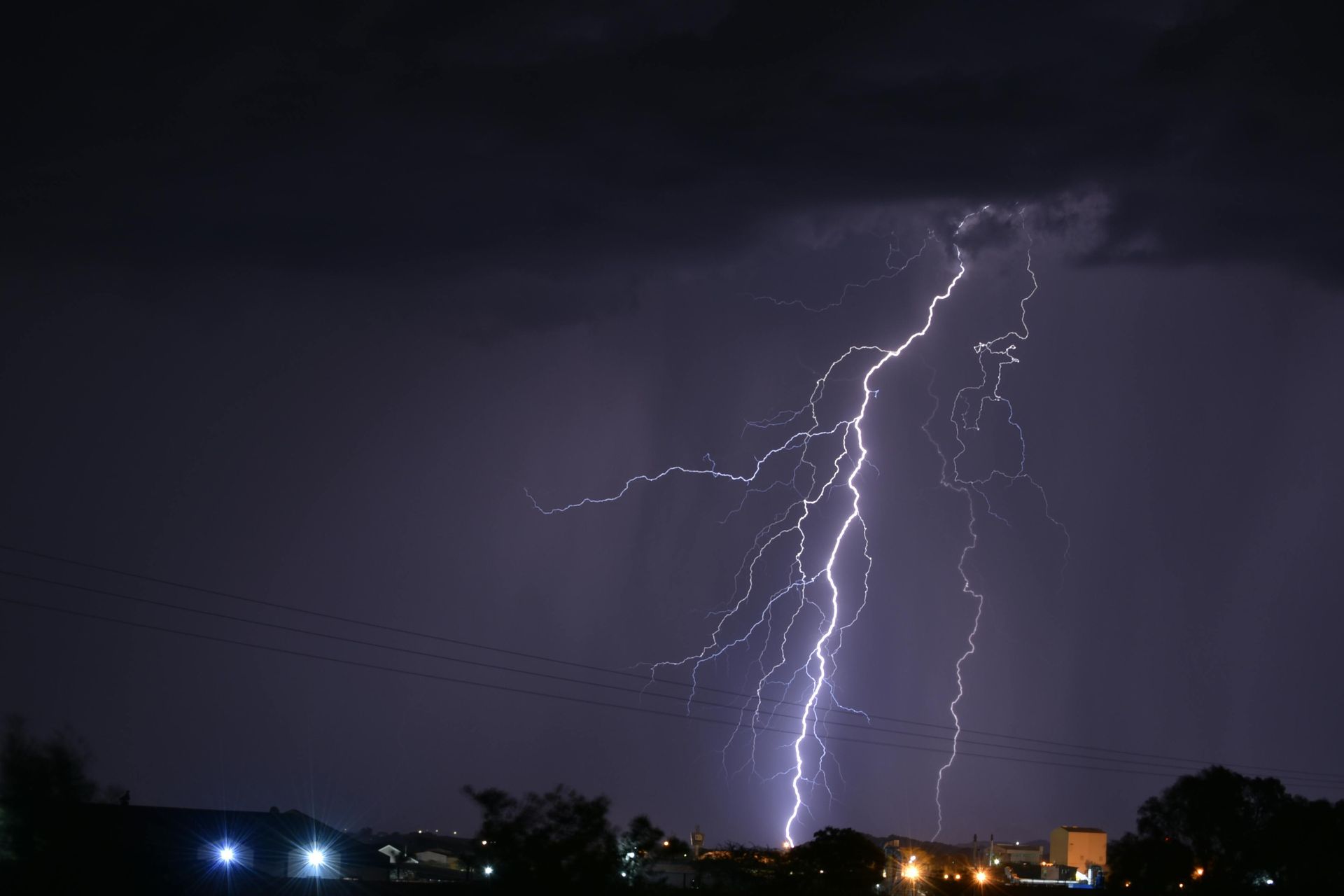
- Severe thunderstorms and lightning that disrupt power and operations
- Heavy rainfall that leads to flooding near docks or low‑lying areas
- Power outages that impact lighting, material handling equipment, and security systems
Recognizing these risks is the first step toward creating an effective response plan.
Developing a Severe Weather Emergency Plan
Every warehouse should have a clear, documented severe weather emergency plan that is communicated to employees and reviewed regularly.
An effective plan typically includes:
- Defined procedures for different types of severe weather
- Clearly identified shelter areas within the facility, ideally interior, windowless spaces away from exterior walls
- A designated chain of command for making decisions during weather events
- Methods for monitoring weather alerts and communicating instructions quickly
Planning ahead helps ensure that employees know where to go and what to do, reducing confusion during high‑stress situations.
Preparing the Facility Before Storm Season
Proactive facility preparation can significantly reduce damage and downtime.
Before the spring storm season begins, warehouse managers should consider conducting a thorough inspection of the building and surrounding areas.
Key steps include:
- Inspecting roofs, dock doors, and exterior openings for signs of wear or damage
- Ensuring racking, shelving, and tall equipment are properly anchored and stable
- Securing loose materials or inventory that could shift or fall during high winds
- Verifying that drainage systems are clear to reduce the risk of water buildup
- Checking emergency lighting, backup power systems, and exit signage
Addressing small maintenance issues early can help prevent larger problems during severe weather.
Prioritizing Employee Safety and Training
Facility readiness is only effective when employees are properly trained. Warehouse teams should understand severe weather procedures before storms occur, not during an emergency.
Important considerations include:
- Training employees on where to shelter and how to respond to weather alerts
- Posting clear signage identifying shelter areas and emergency routes
- Conducting periodic drills to reinforce procedures and identify gaps
- Ensuring new hires receive safety training as part of onboarding
Clear communication and regular training help build confidence and reduce panic during severe weather events.
Best Practices During Severe Weather Events
When severe weather is imminent or occurring, warehouse operations may need to be adjusted to protect employees and equipment.
Best practices may include:
- Suspending nonessential operations when conditions become unsafe
- Keeping employees away from dock doors, windows, and exterior walls
- Avoiding the use of material handling equipment during lightning or power instability
- Maintaining accountability for all personnel until the event has passed
Having predefined guidelines allows managers to make timely decisions that prioritize safety.
Post‑Storm Inspection and Recovery
Once severe weather has passed, it is important to assess the facility before resuming normal operations.
A post‑storm inspection should include:
- Checking racking, shelving, and storage systems for damage or instability
- Inspecting dock equipment, doors, and exterior structures
- Addressing water intrusion or debris promptly to prevent secondary damage
- Documenting any issues and reviewing how well the emergency plan worked
Post‑event reviews can provide valuable insights and help improve preparedness for future storms.
Staying Prepared For Storms Year-After-Year
Severe weather preparedness is not a one‑time effort. Regular reviews, facility inspections, and employee training help ensure warehouses remain ready as conditions change.
By taking proactive steps before storm season begins, warehouse managers and property owners can reduce risk, protect their teams, and minimize operational disruptions.
Preparedness today can make all the difference when severe weather arrives tomorrow.
Partner With Benco Industrial Equipment
At Benco Industrial Equipment, our team provides personalized guidance to help you find forklifts and material-handling solutions that meet your specific needs.
Contact us today to explore our full range of industrial equipment and services and take the first step toward optimizing your warehouse operations.