How HVLS MacroAir Fans Can Improve Warehouse Ventilation
MacroAir Fans Can Improve Warehouse Ventilation
MacroAir Fans Can Improve Warehouse Ventilation. Warehouse operators understand the importance of ventilation. Machines get hot, dust can damage the equipment and workers need comfort. For many, an HVLS MacroAir fan is a prime choice. Whether a warehouse is enclosed in metal or concrete tile-ups, it’ll get hot eventually. Today’s warehouse owners, facility managers and workers are constantly searching for top-quality cooling methods. Below, we’re covering the great ventilation benefits HVLS MacroAir fans provide.
The Energy Cost Benefit
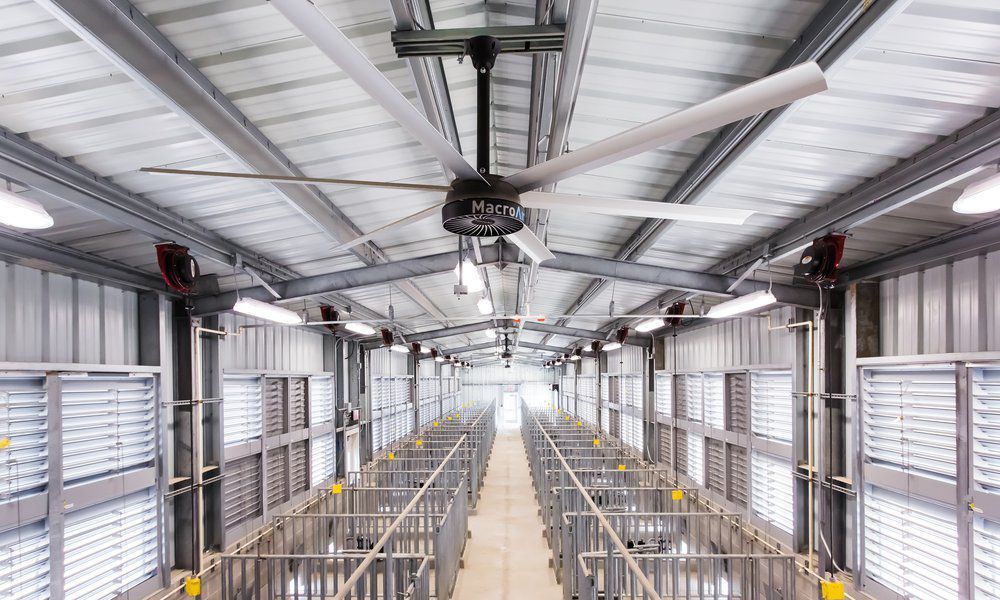
HVLS MacroAir fans are energy efficient. In fact, a single, 24-foot HVLS MacroAir fan can replace up to 25 36-inch fans. An HVLS MacroAir fan can cover up to 10,000 square feet with its cooling potential, achieving incredible efficiencies. Because they work well with air conditioning systems, they’re capable anti-humidity tools. Managers can establish a baseline AC temperature, then maintaining it with an HVLS fan.
Stagnant Air Ventilation
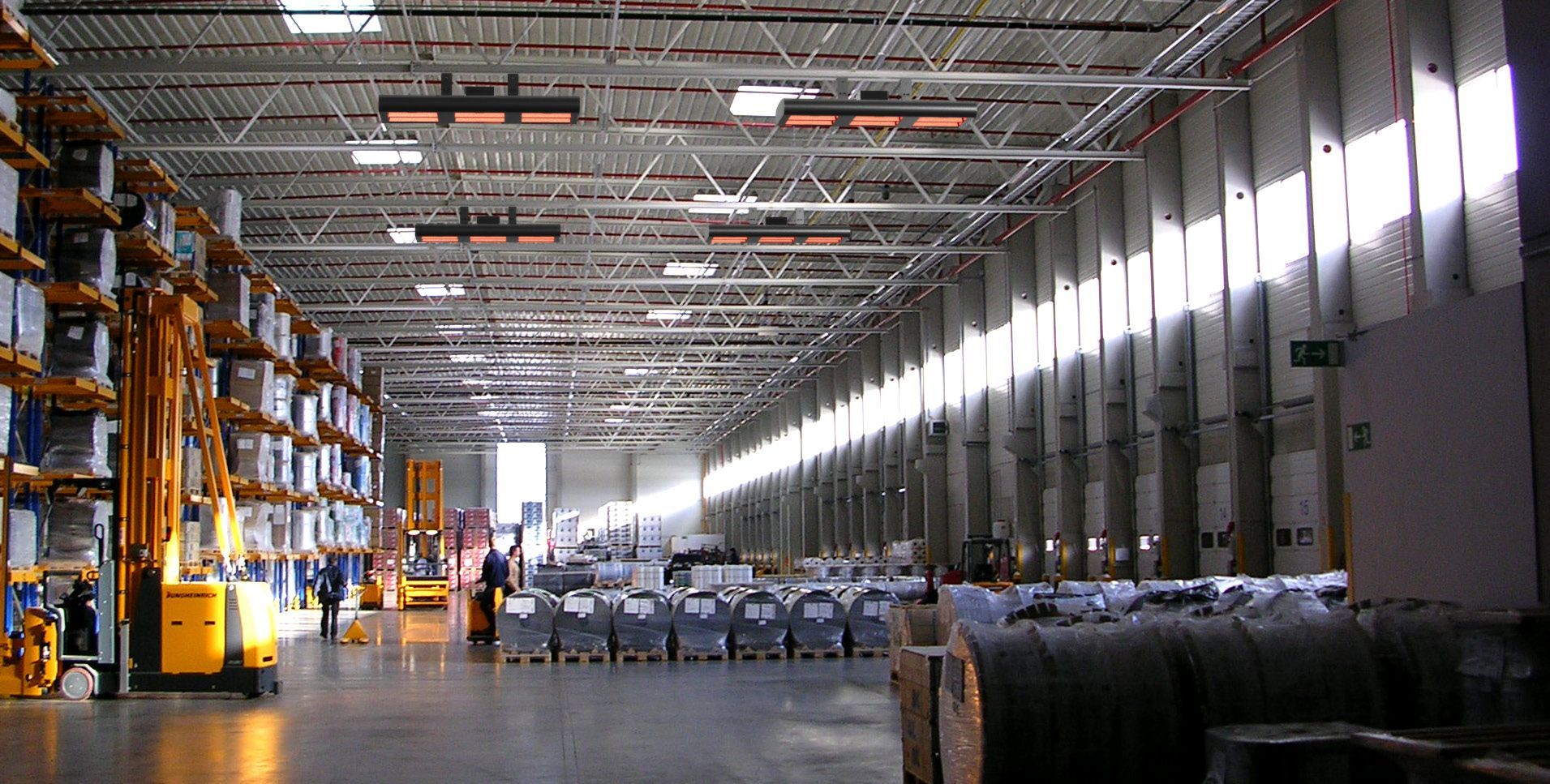
An HVLS MacroAir fan ventilates a warehouse by circulating its air. Warehouses experience a lot of activity. From forklifts to production lines, its day-to-day activities create hot—sometimes toxic—air. Sheer density of people, too, can create air stagnancy. For this reason, it’s imperative that a fan circulates the interior’s air as much as possible.
While a warehouse might have a built-in exhaust system, its dock doors can create short circuit scenarios when they’re opened and closed. The air pressure created by exhaust creates suction, too, undermining any intake devices. Even if a building system is closed, any air pulled from the building can disrupt stagnant air. HVLS MacroAir fans prevent stale air, keeping the area cool.
Humidity Control
Understandably, a warehouse’s equipment needs to be safe from moisture. While machines may not create humidity, outdoor air—if it gets in—can. It’s important to keep the air moving, as water vapor moves independently of air. It’ll flow to the coldest point, too. Often, this point is a warehouse’s concrete floor—which becomes cold at night. An HVLS MacroAir fan constantly mixes a warehouse’s air from the ceiling to the floor. Because it creates a constant state of thermal equilibrium, it keeps a workplace’s equipment safe from moisture damage.
Gentle, Consistent Air
An HVLS MacroAir fan is unlike other, smaller, fans. Instead of blasting short, direct plumes at workers, an HVLS ceiling fan gently pushes a large column of air. This air column is directed downwards, then moving sideways. Because the plume is gentle, it keeps a warehouse’s workers comfortable and cool.
At the end of the day, it’s important to keep a warehouse as ventilated as possible. Aside from machinery safety and care, an HVLS MacroAir fan can benefit your workers. Nobody likes working in damp, warm environments. Remember: A warehouse experiences a lot of labor-intensive hours. It pays off to ensure comfort, and it’ll continue to pay off if you’ve strategized your utility bill. From every angle, HVLS fans are a good investment.
The post How HVLS MacroAir Fans Can Improve Warehouse Ventilation appeared first on Benco Industrial Equipment.